Steps After Being Injured by a Delivery Truck in California
If a delivery truck injured you, take three first steps: get medical care, report the crash and save evidence. After that, the questions are who controlled the truck and what coverage may apply.
Employees, contractors and app-based drivers all make deliveries, and each setup can change who is responsible. The steps below apply whether a delivery truck injured you as a driver, a cyclist or a pedestrian.
What are the first steps after being injured by a delivery truck?
Start with health and safety. Call 911 if someone needs help, and get checked by a doctor even if you feel fine. California law also requires reporting an injury crash to the police or the CHP within 24 hours. Then photograph the truck and the scene, and collect witness names.
Next, work through this list:
- Photograph any company name, truck number or plate on the vehicle.
- Get the driver’s name, license, insurance and employer, if any.
- Ask nearby homes and shops whether their cameras caught the crash, since that video may disappear quickly.
- File an SR-1 with the DMV within 10 days if the crash injured or killed anyone, or caused more than $1,000 in damage.
- Keep every medical bill, note and receipt.
- Talk with a lawyer before you give a recorded statement.
On the 101 or the 405 near Sherman Oaks, the responding agency is usually the CHP. On Ventura Boulevard and other city streets, it is the LAPD. Each of these steps matters if a delivery truck injured you, because the company may start its own record of the crash right away.
Who can be responsible when a delivery driver causes a crash?
The driver is the starting point, but may not be the only one. An employer may be responsible for an employee driving on the job. The vehicle’s owner may be responsible under California’s permissive use law, within limits. Other companies, such as a shop that serviced the truck, may share fault too.
An employer can be responsible for harm an employee causes within the scope of the job. That covers conduct closely tied to the tasks the employer hired the driver to do. So a crash during a delivery route often raises the question of who employed the driver.
Under Vehicle Code section 17150, a vehicle’s owner is liable for injuries caused by the negligence of someone driving it with permission. Section 17151 limits that owner liability to $15,000 for one person and $30,000 for everyone hurt in one crash. For property damage, the limit is $5,000. However, those limits do not cover liability that comes from an employer relationship, and they do not cap the owner’s own negligence.
A gig driver who uses a personal car may own it too. In that case, the driver’s own policy and the delivery company’s coverage may both come into the picture. A truck accident lawyer in Los Angeles can help sort out who controlled the vehicle.
What records should you save?
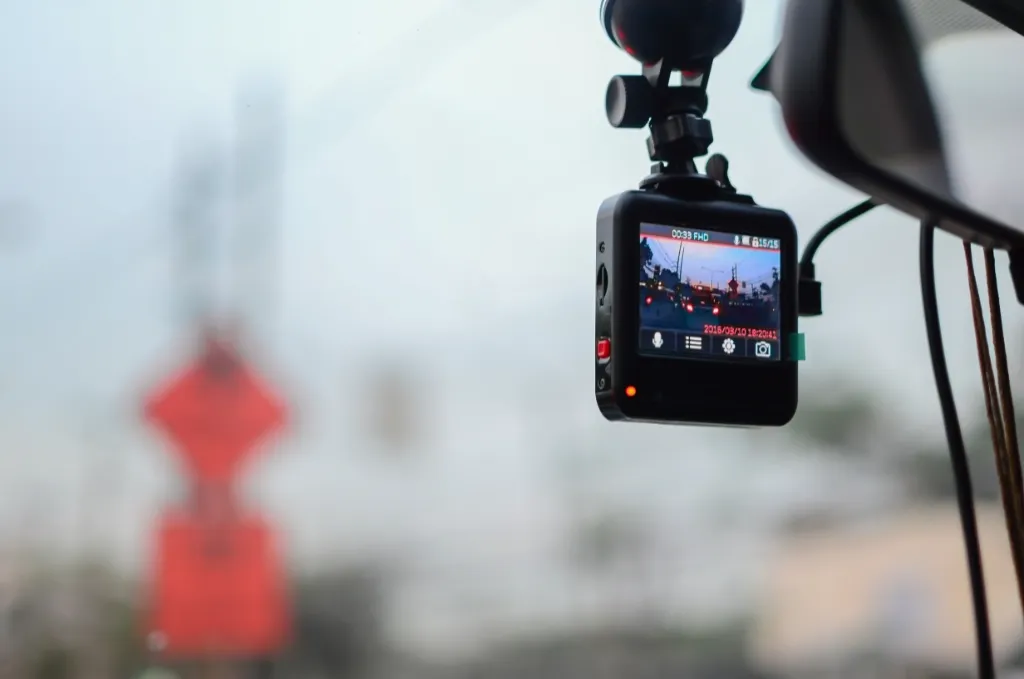
Save anything that shows where the truck was, how fast it moved and who sent it there. That can include GPS and telematics data, dashcam video, delivery logs and the company’s inspection reports. Much of it sits with the company, so a written request to preserve it should go out early.
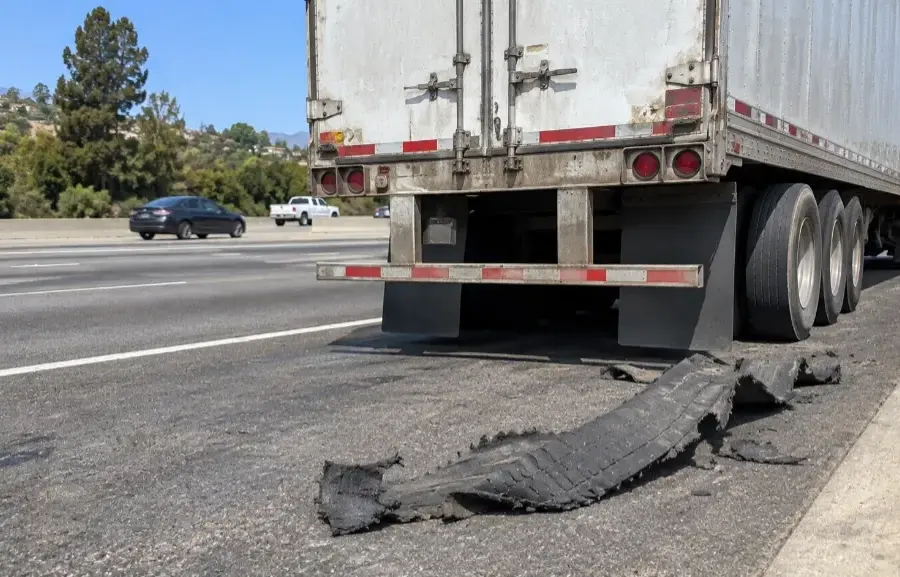
For trucks covered by federal rules, carriers only have to keep driver inspection reports for three months. Viciti Law’s article on a truck tire blowout explains how those records work in a big rig case. Also keep your own records: photos, medical bills, missed work and every claim number you receive.
Do federal trucking rules apply to delivery vans?
Sometimes. Federal motor carrier rules generally apply to a commercial motor vehicle used in interstate commerce. Under 49 CFR 390.5, that includes a vehicle with a weight rating of 10,001 pounds or more. A lighter cargo van may fall below that line, while a larger box truck may be over it.
California also sets its own safety rules for certain larger trucks under Vehicle Code section 34500. Either way, every delivery driver must follow the state’s traffic laws. Under Evidence Code section 669, a violation, such as an unsafe turn or running a red light, can create a presumption of negligence.
What coverage may apply after a delivery truck crash?

Several policies may apply, depending on who owned the vehicle and why it was on the road. A company vehicle may carry commercial auto coverage. A driver’s personal policy may apply, but it may limit coverage for business use. Your own uninsured or underinsured motorist coverage may help if the at-fault driver has no insurance or too little.
The California Department of Insurance has noted that personal auto policies do not typically cover vehicles used for commercial purposes. So the exact policy wording matters.
For app-based work, Business and Professions Code section 7455 adds another layer. It requires a delivery network company to carry auto liability coverage for injuries its drivers cause during engaged time. That means the period from accepting a delivery request to completing it, when the car has no other qualifying policy.
Each insurer reviews the claim under its own policy terms. For the bigger picture, Viciti Law’s guide to a truck accident claim walks through how these claims move forward.
How long do you have to file?
For most injury claims, you have two years from the crash to file a lawsuit. That rule is Code of Civil Procedure section 335.1. Property damage claims generally have three years under section 338. If a city, county or state vehicle hit you, a written claim is due within six months under Government Code section 911.2.
Frequently asked questions
What if the delivery driver was an independent contractor?
You may still have a claim. A contractor can still be responsible for careless driving, and the driver’s own policy may apply. Under Business and Professions Code section 7451, app-based drivers can count as contractors when the company meets certain conditions. Even then, section 7455 requires the delivery company to carry coverage during engaged time when the car has no other qualifying policy.
What if a double-parked delivery truck caused the crash?
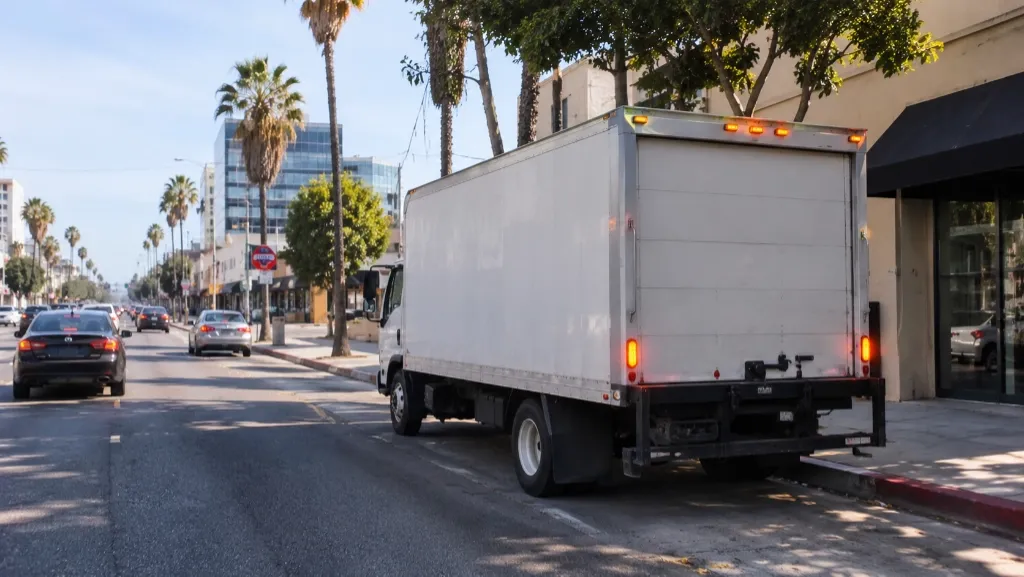
Vehicle Code section 22500(h) generally bars stopping or parking on the roadway side of a vehicle parked at the curb. If a double-parked truck blocked a lane and caused a crash, that violation may support a presumption of negligence. That presumption comes from Evidence Code section 669. Still, other drivers’ choices count too under comparative fault.
Can I bring a claim if I was walking or on a bike?
Yes. Pedestrians and cyclists can bring injury claims like anyone else hurt by a careless driver. Under Vehicle Code section 21200, a person riding a bicycle on a highway has the rights of a driver. If you share some fault, California’s comparative fault rule reduces your damages rather than barring the claim.
Should I talk to the delivery company’s insurer?
Be careful. You can report the crash and share basic facts, but you do not have to guess about your injuries or about fault. The adjuster may use a recorded statement later, so talk with a lawyer first. Also tell your own insurer about the crash, as your policy may require.
Talk to Viciti Law About a Delivery Truck Crash
If a box truck, cargo van or delivery driver hit you, get advice before the company’s records disappear. To talk it through, contact Viciti Law for a free consultation or call (310) 919-5011.
The office is at 13743 Ventura Blvd, Suite 240, in Sherman Oaks. The firm speaks Spanish and Russian, and it takes each and every case personally.
Book Free Consultation (button, links to /contact-us/)
Past results do not guarantee a similar outcome. This article provides general information about California law and is not legal advice. Reading it does not create an attorney-client relationship. Attorney Advertising.