
Head-On Collisions in California: Causes, Injuries and Fault
A head-on collision happens when the fronts of two vehicles strike each other, often after one vehicle enters oncoming traffic. In California, determining fault requires examining how the crash happened and whether either driver acted negligently. At Viciti Law in Sherman Oaks, we help people injured in head-on collisions understand their options and gather evidence to support their claims.
What causes a head-on collision in California?
Head-on collisions often happen when unsafe passing, distraction, impairment or another driving error sends a vehicle into oncoming traffic.
Common causes include:
- Unsafe passing on a two-lane road, such as on a curve or hill
- Crossing double yellow lines to get around slow traffic
- Wrong-way driving on a freeway or off-ramp
- Drowsy driving
- Drunk or drugged driving
- Distracted driving, such as phone use
- Speeding into a curve and running wide
Two-lane roads in the hills and canyons around Los Angeles leave little room for error. Still, a head-on collision can also happen in the city when a driver drifts over the center line or turns the wrong way onto a one-way street.
Which California Traffic Laws Help Determine Fault in a Head-On Collision?
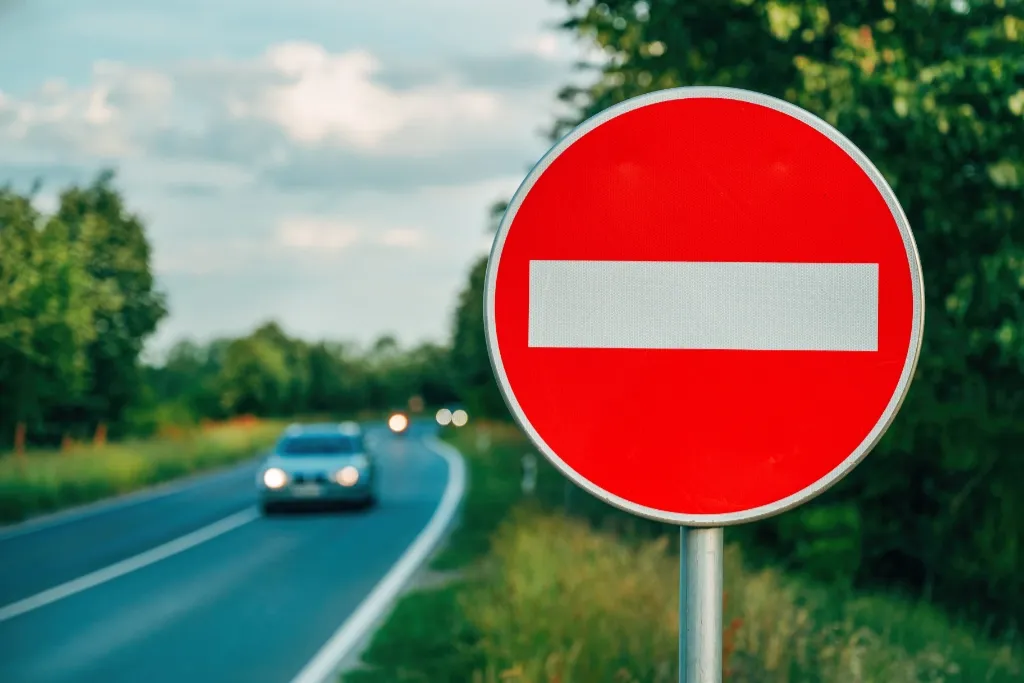
Several Vehicle Code sections set the rules for staying in your lane. The main one is the keep-right rule in section 21650. Others cover double yellow lines, passing on two-lane roads and divided highways. A violation is often the starting point for deciding which driver is at fault.
The key rules include:
- Vehicle Code section 21650 requires drivers to stay on the right half of the road. Exceptions include passing, a lawful left turn, road work that closes the right half, or a road too narrow to divide.
- Vehicle Code section 21460 bars driving to the left of double solid yellow lines. Drivers may still cross them to turn left at an intersection or into a driveway.
- Vehicle Code section 21751 limits passing on a two-lane road. The left side must be clearly visible and free of oncoming traffic far enough ahead to pass safely.
- Vehicle Code section 21651 requires drivers on a divided highway to stay to the right of the median or barrier.
Is the driver who crossed the center line always at fault?
Usually, but not always. Crossing the center line without a lawful reason breaks a traffic law. Under Evidence Code section 669, that can create a presumption of carelessness. However, the driver can try to show they acted as a careful person would. Fault can also be shared between both drivers.
Situations that can change the picture include:
- Another car cut in and forced the driver over the line
- The other driver was speeding, distracted or also over the line
- A road defect, such as faded lines or a missing warning sign, played a part
If a road defect was involved, a city, county or the state may share responsibility. A written claim against a public entity is due within six months under Government Code section 911.2.
When both drivers share blame, California uses pure comparative negligence. Each driver’s share of fault reduces their own damages but does not bar a claim. For more on how fault is split, see California’s at-fault rules.
What injuries are common, and why does early medical care matter?
Head-on crashes can cause serious injuries because both vehicles are moving toward each other. Get checked by a doctor as soon as you can, even if you feel fine. Your medical records also create a timeline that links each injury to the crash.
Injuries that can follow a head-on crash include:
- Head injuries, including concussions
- Neck and back injuries
- Broken bones
- Chest and abdominal injuries
- Cuts and bruises from glass, airbags or seat belts
Symptoms to mention to a doctor include headaches, dizziness, confusion, neck or back pain, numbness, and chest or belly pain. After that first visit, follow the care plan and keep every record. Gaps in treatment can lead an adjuster to argue that an injury came from something else.
What evidence matters after a head-on crash?
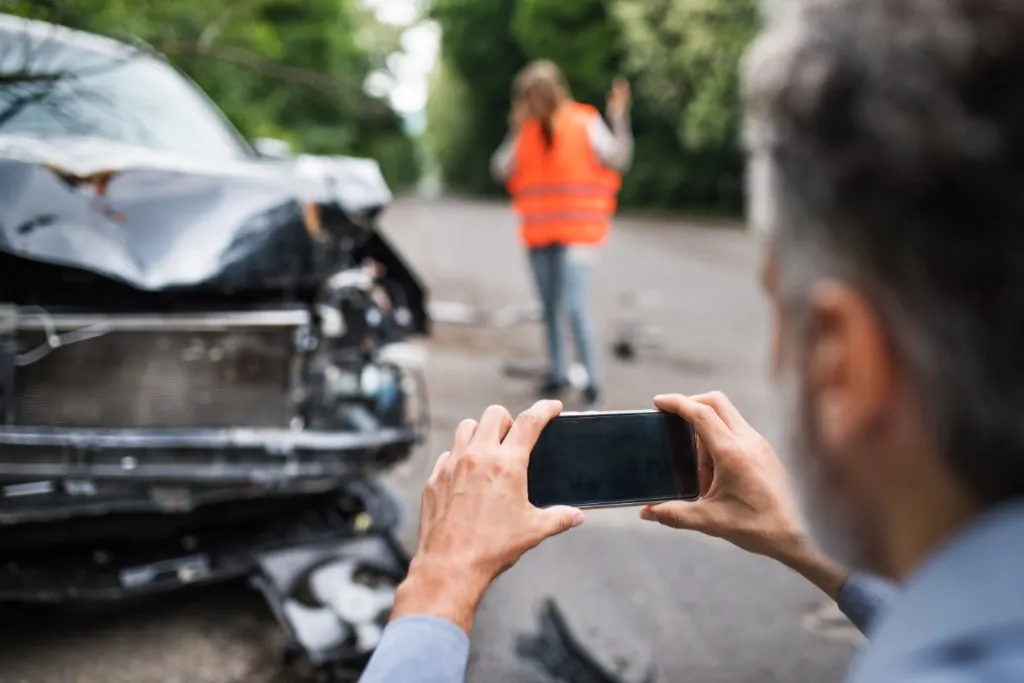
After a head-on collision, the most useful evidence shows where each car was and how fast it was moving. That includes the police or CHP report, scene photos, video, witness accounts and data stored in each car. Much of it can disappear quickly, so early steps matter.
Evidence to gather or preserve includes:
- The CHP report on a freeway, or the LAPD report on a city street
- Photos of lane lines, skid marks, debris and where the cars stopped
- Dashcam, traffic or business video
- Witness names and phone numbers
- Data from each car’s event data recorder
Under Vehicle Code section 9951, a recording device installed by the manufacturer may store speed, direction, braking and seat belt use. Generally, no one other than the registered owner may download that data without the owner’s consent or a court order. So ask a lawyer about preserving the car before it goes to salvage.
If phone use is suspected, a lawyer can seek the other driver’s phone records through the legal process once a case is filed. A car accident attorney in Los Angeles can also help track down video before it is erased.
What Can Families Do After a Fatal Head-On Crash in California?
If someone you love died in a head-on crash, close family members may bring a wrongful death claim. Under Code of Civil Procedure section 377.60, that includes a surviving spouse, domestic partner and children, and in some cases others. You do not have to decide anything today, but deadlines do apply.
A wrongful death claim generally must be filed within two years. If a public entity may share fault, the six-month claim rule applies too. Viciti Law can explain your options gently and at a pace that works for your family.
Frequently Asked Questions
What if the wrong-way driver had no insurance?
Your own uninsured motorist coverage may apply, if your policy includes it. California insurers must offer this coverage, and it stays on the policy unless you rejected it in writing. Check your declarations page. Uninsured motorist claims also have their own two-year requirement under Insurance Code section 11580.2, so talk with a lawyer early.
Can I Still Bring a California Head-On Collision Claim if I Was Speeding?
Yes. Under pure comparative negligence, your own speeding does not bar a claim against a driver who crossed into your lane. Instead, your share of fault reduces the damages you can claim. The other driver remains responsible for their share. Adjusters may focus on your speed, so be careful about what you say before you get advice.
How Long Do I Have to File a Head-On Collision Lawsuit in California?
In most cases, you have two years from the crash to file an injury lawsuit under Code of Civil Procedure section 335.1. Wrongful death claims also generally have two years. Claims against a city, county or the state over a road defect are different. A written claim is due within six months under Government Code section 911.2.
Should I talk to the other driver’s adjuster?
You can share basic facts, such as your name and how to reach you. Still, you can decline a recorded statement until you have spoken with a lawyer. The adjuster evaluates the claim for the other driver’s insurer. Early comments about speed or lane position can shape how fault is assigned, so keep any answers short and factual.
Talk to Viciti Law About Your Head-On Crash
If you were hurt in a head-on collision, or you lost someone in one, contact Viciti Law for a free consultation. You can also call (310) 919-5011.
The office is at 13743 Ventura Blvd, Suite 240, in Sherman Oaks. The team speaks Spanish and Russian, and it takes each and every case personally.
Past results do not guarantee a similar outcome. This article provides general information about California law and is not legal advice. Reading it does not create an attorney-client relationship. Attorney Advertising.