Se Habla Español
Мы говорим по-русски
Category

Car Accidents

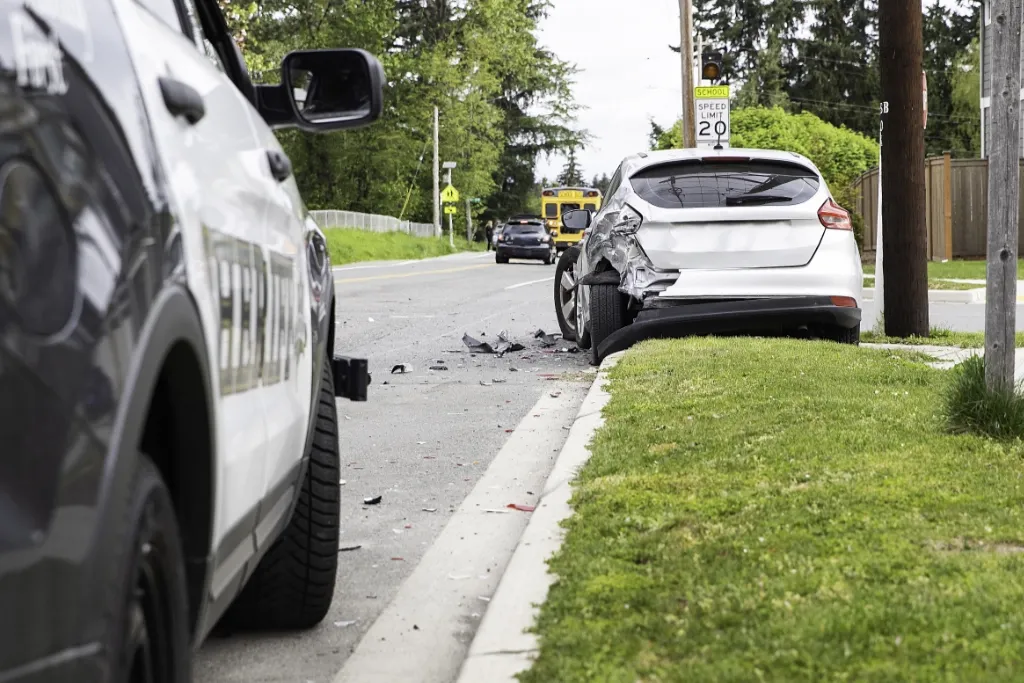
Two cars at an intersection after a T-bone car accident in Los Angeles

T-Bone Car Accident

By | Car Accidents

Who Is at Fault in a T-Bone Car Accident in California?

In a T-bone car accident in California, fault generally rests with the driver who did not yield. That might be a driver who ran a red light, skipped a stop sign or turned left into oncoming traffic. Still, both drivers can share fault, and it does not depend on which car’s front end made contact.

This guide covers the right-of-way rules, how fault is split, the evidence that matters and what to do next.

What is a T-bone car accident?

A T-bone car accident happens when the front of one vehicle strikes the side of another. Together, the two cars form the shape of a T. You may also hear it called a side-impact or broadside collision. These crashes happen where two paths cross, such as an intersection, a driveway, a parking lot exit or an alley.

In the Valley, that could be a signal on Ventura Boulevard or a four-way stop on a side street. A side impact differs from a head-on collision, where two cars meet front to front. Even so, one question decides both: who failed to use reasonable care?

Who has the right of way at an intersection?
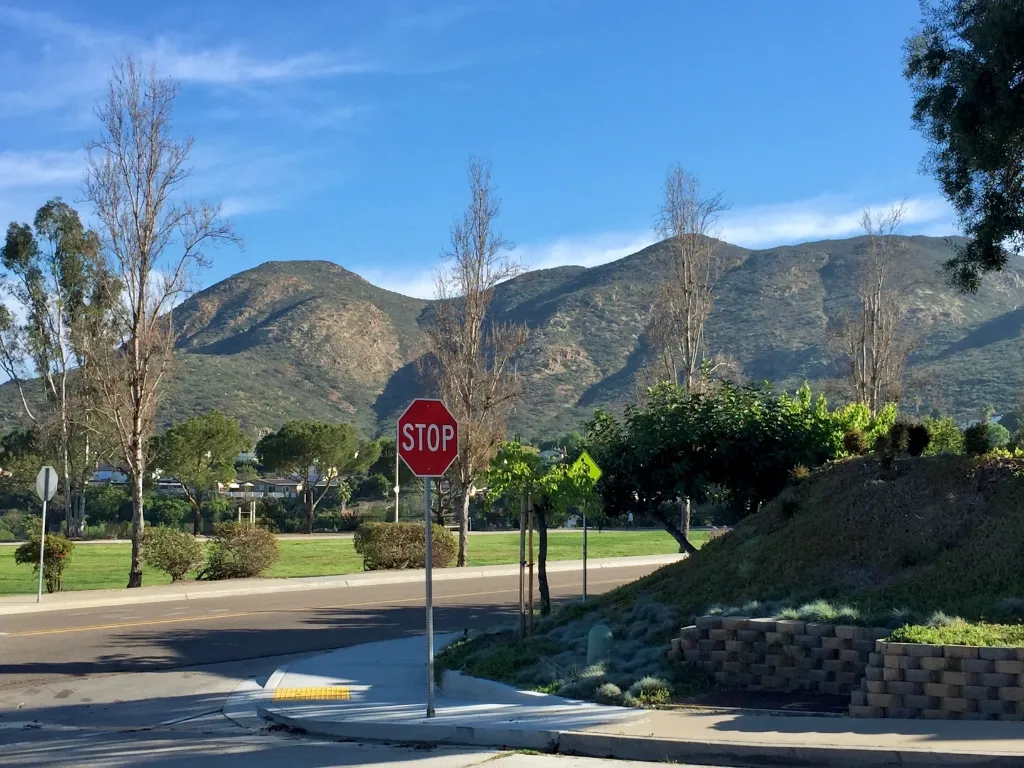
All-way stop sign at a residential intersection
The Vehicle Code sets the order. A driver must yield to a car that is already in the intersection. When two cars arrive together at an uncontrolled corner or an all-way stop, the driver on the left yields. Signals, stop signs, left turns and driveways each have their own rule, and these sections set them out.

  • Vehicle Code section 21800 covers corners with no signs or signals, all-way stops and dark signals. The car that entered first goes first. If two enter at once, a driver on a road that ends there yields to the road that continues.
  • Vehicle Code section 21801 says a driver turning left yields to oncoming traffic close enough to be a hazard.
  • Vehicle Code section 21802 requires a full stop at a stop sign, then a yield to close cross traffic.
  • Vehicle Code section 21453 requires a stop at a red light. A right turn on red is legal after a stop, unless a sign forbids it, but the driver still yields.
  • Vehicle Code section 21804 says a driver leaving a driveway, a lot or an alley yields to close traffic.

Is the driver who hit the side always at fault?

No. The driver whose car struck the side may have had a green light. The driver who got hit may have run the red. Fault turns on who failed to use reasonable care, and California lets both drivers share it. So the direction of the impact matters less than the choices that led up to it.

Since Li v. Yellow Cab Co. (1975), California has followed pure comparative negligence. A judge or jury sets each driver’s share as a percentage. An injured driver’s own share then reduces their damages, but it does not bar the claim. Viciti Law’s guide to California’s at-fault rules explains that split.

Breaking a traffic law also carries weight. Under Evidence Code section 669, violating a safety statute can create a presumption of carelessness. The driver can rebut it by showing they acted with reasonable care. For example, a driver with a green light who was speeding may still share the blame.

What evidence shows who had the light?
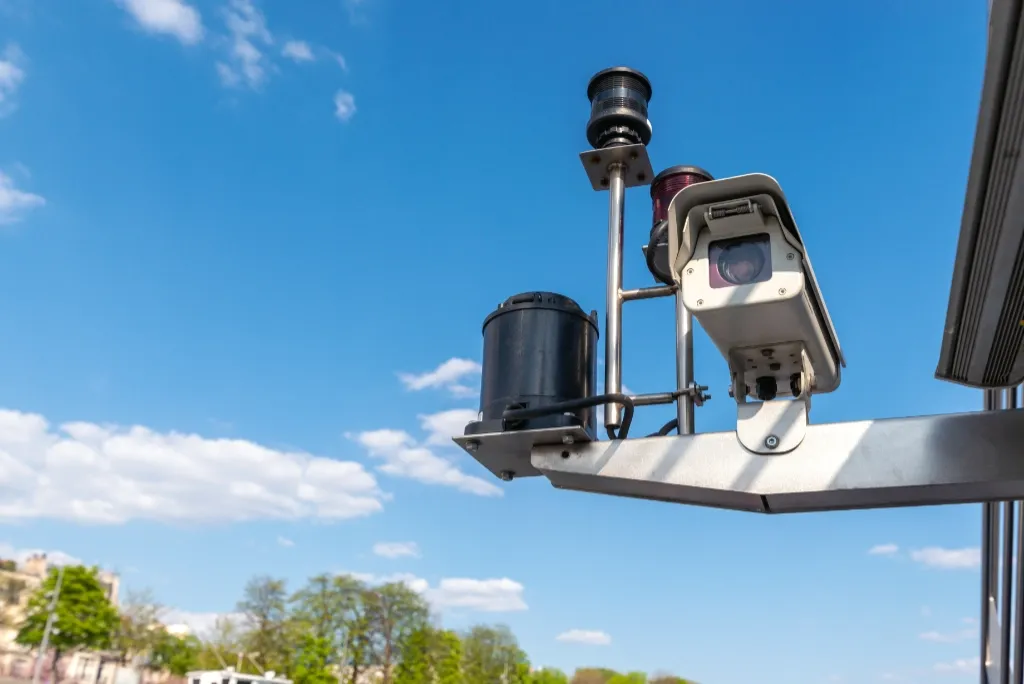
Traffic signal and a nearby security camera at a city intersection

When both drivers claim a green light, the answer has to come from evidence that does not depend on memory. Video and independent witnesses can help. So can the police or CHP report, the damage to each car and the data stored in the vehicles. Together, they can show who entered on a red light.

  • Video from traffic cameras, businesses, doorbells or dashcams, which may not stay on file for long.
  • Names and phone numbers of witnesses who were not in either car.
  • The police or CHP report, with any diagram it includes.
  • Photos of where the cars stopped, the damage and the signals.
  • Data from each car’s event data recorder, which NHTSA describes as a record of a few seconds around the crash.

That last item has its own rule. Under Vehicle Code section 9951, anyone other than the owner generally needs the owner’s consent or a court order to retrieve it. Near Sherman Oaks, the CHP usually handles crashes on the 101 and the 405, while the LAPD covers Ventura Boulevard.

Why can side impacts cause serious injuries?

A side impact leaves little room between the people inside and the car that strikes them. NHTSA notes that side air bags must inflate quickly for that reason, since so little space separates the occupants from the striking vehicle. A passenger on the struck side sits closest to the force.

Because of that, get checked by a doctor after a side-impact collision, even if you feel fine. Then keep every record of your care. Those records show what the crash did and what treatment cost.

What should you do after a T-bone car accident?

Get medical care first, then report the crash when the law requires it. After an injury crash, Vehicle Code section 20008 calls for a written report within 24 hours. It goes to the CHP or the city police. Section 16000 may also require an SR-1 to the DMV within 10 days. Then save the evidence before it disappears.

  1. Call 911 if anyone needs help.
  2. Get checked by a doctor, even if you feel fine.
  3. Exchange license, vehicle and insurance details with the other driver, as Vehicle Code section 16025 requires.
  4. Photograph the cars, the intersection and the signals, and collect witness names.
  5. File an SR-1 within 10 days if the crash injured or killed anyone, or caused over $1,000 in property damage to any one person.
  6. Speak with a lawyer before you give a recorded statement.

A car accident lawyer in Los Angeles can review the report and the evidence with you.

Frequently asked questions

What if both drivers say they had a green light?

Then the evidence decides, not the competing stories. Video, independent witnesses, the damage pattern and vehicle data can show who entered on a red light. Each insurer may reach its own view of fault, but that view is a position, not a ruling. If the case goes to court, a judge or jury decides who had the light.

Who is at fault at a four-way stop?

At an all-way stop, every driver must stop. Under Vehicle Code section 21800, a driver then yields to any car that has already entered the intersection. When two cars enter at the same time, the driver on the left yields to the driver on the right. A driver who rolls through breaks Vehicle Code section 22450, which can count against them.

Can a passenger bring a claim against both drivers?

Yes, in many cases. A passenger who did nothing to cause the crash can bring a claim against each driver whose carelessness contributed to it. That includes the driver of their own car. A judge or jury can then split fault between the drivers. Each driver’s liability coverage may apply, so collect insurance details from both.

How long do I have to file?

For most injury claims, the deadline is two years from the crash under Code of Civil Procedure section 335.1. Claims for damage to your car generally have three years under section 338. If a city vehicle or public road played a part, a written claim is due within six months under Government Code section 911.2.

Talk to Viciti Law About a T-Bone Car Accident

If another driver or an adjuster is blaming you for a side-impact crash, get a second look at the evidence. To talk it through, contact Viciti Law for a free consultation or call (310) 919-5011.

The office is at 13743 Ventura Blvd, Suite 240, in Sherman Oaks. The firm speaks Spanish and Russian, and it takes each and every case personally.

Book Free Consultation (button, links to /contact-us/)

Past results do not guarantee a similar outcome. This article provides general information about California law and is not legal advice. Reading it does not create an attorney-client relationship. Attorney Advertising.
Patrol car lights behind a damaged car on a California highway at night

Drunk Driving Accident

By | Car Accidents

Hurt by a Drunk Driver in California? Your Rights as a Driver or Passenger

If you were injured by a drunk driver in California, you may pursue compensation whether you were driving, riding as a passenger or walking. Your civil injury claim is separate from any criminal DUI case. Viciti Law helps injured people in Los Angeles understand their rights, identify who may be responsible and meet the deadlines for pursuing a claim.

What rights do you have after a drunk driver hits you in California?

You have the right to hold the driver who caused the crash responsible through a civil claim. That right does not depend on the criminal case. You may seek medical costs, lost income, property damage, and pain and suffering. In some cases, you may also seek punitive damages.

Under Civil Code section 1714, everyone is responsible for injuries caused by a lack of ordinary care. Other people may share responsibility, too. For example, a second driver may have run a red light. Impaired driving is also one cause of head-on collisions in California, which raise their own fault questions. If someone you love died, certain family members may bring a wrongful death claim.

How is the criminal DUI case different from your injury claim?

Entrance of a courthouse in Los Angeles County on a sunny day

The criminal case is the state’s case against the driver, and the prosecutor decides how it moves forward. Your injury claim belongs to you. The two cases also use different standards of proof. One seeks penalties for the driver, while the other seeks compensation for your losses.

Vehicle Code section 23152 makes impaired driving a crime. Vehicle Code section 23153 goes further. It applies when the impaired driver also breaks a traffic law or neglects a duty, injuring someone else.

A prosecutor must prove guilt beyond a reasonable doubt (Penal Code section 1096). Your civil claim uses a lower standard: more likely true than not (Evidence Code section 115). So a conviction or guilty plea may help, and the arrest report and test results may become evidence. Still, a dismissal or acquittal does not end your civil claim.

Can you claim punitive damages after a California DUI crash?

Sometimes. Punitive damages go beyond your actual losses and are meant to punish and deter. Under Civil Code section 3294, you must prove malice, oppression or fraud by clear and convincing evidence. California courts have recognized that drunk driving may meet that standard, depending on the facts.

In Taylor v. Superior Court (1979), the California Supreme Court addressed this question. It held that knowingly drinking until intoxicated, then driving, may show conscious disregard for the safety of others. Such disregard can support punitive damages, even without a prior history of drunk driving.

Still, punitive damages are never automatic, and the driver’s choices before the crash matter most. Drunk driving accident attorneys look for that evidence in police reports and court records.

What if you were a passenger in the drunk driver’s car?

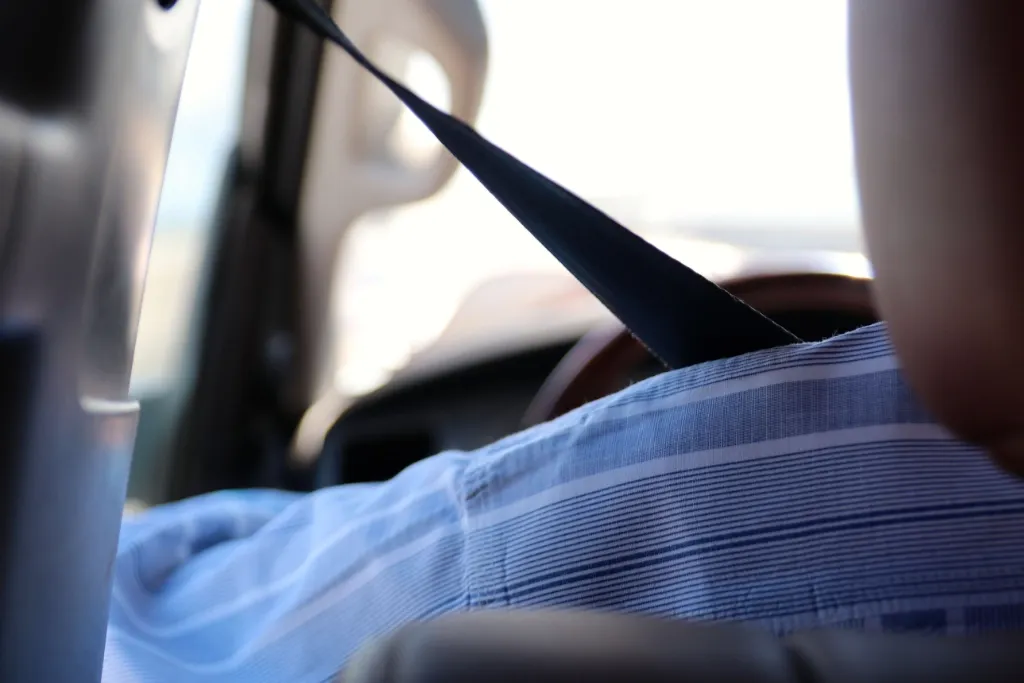
Fastened seat belt on the passenger side of a car at dusk

Passengers may bring a claim against a driver who had been drinking, even a friend or relative. If another driver also contributed to the crash, a passenger may have a claim against that driver too. However, the defense may argue that a passenger who knew about the drinking shares some of the fault.

California follows pure comparative negligence, as the Supreme Court explained in Li v. Yellow Cab Co. (1975). If a jury finds a passenger partly at fault, that share reduces the damages but does not bar the claim. What the passenger knew, and what choices were realistic that night, both matter.

Can a bar or party host be responsible?

Usually not. California law treats drinking, rather than serving, as the legal cause of injuries an intoxicated person causes to others. Civil Code section 1714 protects social hosts. Business and Professions Code section 25602 also protects those who sell or serve alcohol, even to someone obviously intoxicated. The exceptions are narrow and involve minors.

  • A licensed seller that sells, serves or gives alcohol to an obviously intoxicated minor may be responsible for resulting injuries. So may anyone who sells alcohol to that minor (Business and Professions Code section 25602.1).
  • An adult who knowingly serves alcohol at home to someone under 21 may be responsible (Civil Code section 1714(d)).

These claims depend on who provided the alcohol, the recipient’s age and, where applicable, whether the recipient was obviously intoxicated. Drunk driving accident attorneys act quickly here, because businesses may not keep receipts, bar tabs and video for long.

What help is available through the criminal case?

If the driver is convicted, the court must generally order restitution for your economic losses under Penal Code section 1202.4. Those losses include medical bills, counseling, lost wages and damaged property. Separately, the California Victim Compensation Board may help with certain crime-related expenses. Neither one covers everything a civil claim can address.

Restitution comes from the driver, not the state, and it does not include pain and suffering for this kind of crime. Share a list of your losses with the prosecutor’s office early.

The California Victim Compensation Board (CalVCB) lists driving under the influence among the crimes it covers. It may help with medical and mental health treatment, lost income and funeral costs, among other expenses. However, CalVCB is a payer of last resort, so applicants must look to other sources first. Applicants generally must also cooperate with police and prosecutors.

When should you contact drunk driving accident attorneys in California?

Drunk driving accident attorneys can get involved soon after the crash, while evidence is still available. California generally allows two years from the injury to file a lawsuit (Code of Civil Procedure section 335.1). If a public entity may share fault, a written claim is due within six months (Government Code section 911.2).

For an injured child, the two years generally start at age 18 (Code of Civil Procedure section 352). That delay does not apply to the six-month public entity claim. An attorney can also request the CHP or police report and records from the criminal file.

If you need a car accident attorney in Los Angeles, Viciti Law reviews DUI crash claims from its Sherman Oaks office.

Frequently Asked Questions

Do I have to wait for the criminal case to finish?

No. Your civil claim is separate, and you can start it while the criminal case is open. The two-year deadline generally keeps running either way. Some steps in a civil case may slow down until the criminal case ends. For example, the driver may decline to answer questions. A lawyer can plan around that timing.

Can I file a claim after a Los Angeles DUI crash without an arrest?

Yes. An arrest or conviction is not required for a civil claim. You need to show that the driver was careless and that this caused your injuries. Witnesses, photos, video, bar receipts and the crash report can all help show impairment, even when no charge follows.

What if the drunk driver had no insurance?

You may still have options. Check whether your own auto policy includes uninsured motorist coverage (Insurance Code section 11580.2). If it does, that coverage may apply to injuries caused by an uninsured driver. The driver also remains personally responsible. In addition, criminal restitution and CalVCB may help with some economic losses.

How long do I have to file a drunk driving accident claim in California?

In most cases, you have two years from the injury to file a personal injury lawsuit. Families generally have two years from a death to file a wrongful death claim. Both deadlines come from Code of Civil Procedure section 335.1. If a public entity is involved, a written claim is due within six months, so confirm your deadline early.

Talk to Viciti Law About a Drunk Driving Crash

If a drunk driver injured you or someone you love, contact Viciti Law for a free consultation. A drunk driving accident lawyer at the firm can review the crash report and your deadlines with you.

Call (310) 919-5011 or visit the office in Sherman Oaks. The firm speaks English, Spanish and Russian, and it takes each and every case personally.

Book Free Consultation

Past results do not guarantee a similar outcome. This article provides general information about California law and is not legal advice. Reading it does not create an attorney-client relationship. Attorney Advertising.
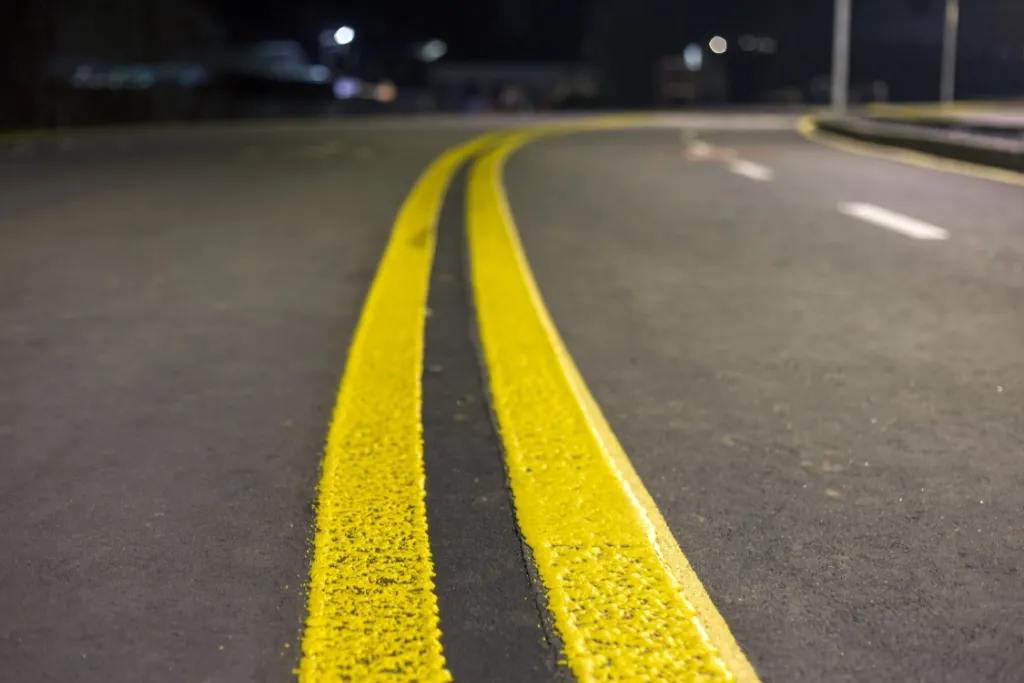
Two-lane road with double yellow center lines curving through Southern California hills

Head-On Collision

By | Car Accidents

Head-On Collisions in California: Causes, Injuries and Fault

A head-on collision happens when the fronts of two vehicles strike each other, often after one vehicle enters oncoming traffic. In California, determining fault requires examining how the crash happened and whether either driver acted negligently. At Viciti Law in Sherman Oaks, we help people injured in head-on collisions understand their options and gather evidence to support their claims.

What causes a head-on collision in California?

Head-on collisions often happen when unsafe passing, distraction, impairment or another driving error sends a vehicle into oncoming traffic.

Common causes include:

  • Unsafe passing on a two-lane road, such as on a curve or hill
  • Crossing double yellow lines to get around slow traffic
  • Wrong-way driving on a freeway or off-ramp
  • Drowsy driving
  • Drunk or drugged driving
  • Distracted driving, such as phone use
  • Speeding into a curve and running wide

Two-lane roads in the hills and canyons around Los Angeles leave little room for error. Still, a head-on collision can also happen in the city when a driver drifts over the center line or turns the wrong way onto a one-way street.

Which California Traffic Laws Help Determine Fault in a Head-On Collision?

Double solid yellow lines next to a Do Not Pass sign

Several Vehicle Code sections set the rules for staying in your lane. The main one is the keep-right rule in section 21650. Others cover double yellow lines, passing on two-lane roads and divided highways. A violation is often the starting point for deciding which driver is at fault.

The key rules include:

  • Vehicle Code section 21650 requires drivers to stay on the right half of the road. Exceptions include passing, a lawful left turn, road work that closes the right half, or a road too narrow to divide.
  • Vehicle Code section 21460 bars driving to the left of double solid yellow lines. Drivers may still cross them to turn left at an intersection or into a driveway.
  • Vehicle Code section 21751 limits passing on a two-lane road. The left side must be clearly visible and free of oncoming traffic far enough ahead to pass safely.
  • Vehicle Code section 21651 requires drivers on a divided highway to stay to the right of the median or barrier.

Is the driver who crossed the center line always at fault?

Usually, but not always. Crossing the center line without a lawful reason breaks a traffic law. Under Evidence Code section 669, that can create a presumption of carelessness. However, the driver can try to show they acted as a careful person would. Fault can also be shared between both drivers.

Situations that can change the picture include:

  • Another car cut in and forced the driver over the line
  • The other driver was speeding, distracted or also over the line
  • A road defect, such as faded lines or a missing warning sign, played a part

If a road defect was involved, a city, county or the state may share responsibility. A written claim against a public entity is due within six months under Government Code section 911.2.

When both drivers share blame, California uses pure comparative negligence. Each driver’s share of fault reduces their own damages but does not bar a claim. For more on how fault is split, see California’s at-fault rules.

What injuries are common, and why does early medical care matter?

Head-on crashes can cause serious injuries because both vehicles are moving toward each other. Get checked by a doctor as soon as you can, even if you feel fine. Your medical records also create a timeline that links each injury to the crash.

Injuries that can follow a head-on crash include:

  • Head injuries, including concussions
  • Neck and back injuries
  • Broken bones
  • Chest and abdominal injuries
  • Cuts and bruises from glass, airbags or seat belts

Symptoms to mention to a doctor include headaches, dizziness, confusion, neck or back pain, numbness, and chest or belly pain. After that first visit, follow the care plan and keep every record. Gaps in treatment can lead an adjuster to argue that an injury came from something else.

What evidence matters after a head-on crash?

Driver photographing front-end damage and lane lines after a head-on collision

After a head-on collision, the most useful evidence shows where each car was and how fast it was moving. That includes the police or CHP report, scene photos, video, witness accounts and data stored in each car. Much of it can disappear quickly, so early steps matter.

Evidence to gather or preserve includes:

  • The CHP report on a freeway, or the LAPD report on a city street
  • Photos of lane lines, skid marks, debris and where the cars stopped
  • Dashcam, traffic or business video
  • Witness names and phone numbers
  • Data from each car’s event data recorder

Under Vehicle Code section 9951, a recording device installed by the manufacturer may store speed, direction, braking and seat belt use. Generally, no one other than the registered owner may download that data without the owner’s consent or a court order. So ask a lawyer about preserving the car before it goes to salvage.

If phone use is suspected, a lawyer can seek the other driver’s phone records through the legal process once a case is filed. A car accident attorney in Los Angeles can also help track down video before it is erased.

What Can Families Do After a Fatal Head-On Crash in California?

If someone you love died in a head-on crash, close family members may bring a wrongful death claim. Under Code of Civil Procedure section 377.60, that includes a surviving spouse, domestic partner and children, and in some cases others. You do not have to decide anything today, but deadlines do apply.

A wrongful death claim generally must be filed within two years. If a public entity may share fault, the six-month claim rule applies too. Viciti Law can explain your options gently and at a pace that works for your family.

Frequently Asked Questions

What if the wrong-way driver had no insurance?

Your own uninsured motorist coverage may apply, if your policy includes it. California insurers must offer this coverage, and it stays on the policy unless you rejected it in writing. Check your declarations page. Uninsured motorist claims also have their own two-year requirement under Insurance Code section 11580.2, so talk with a lawyer early.

Can I Still Bring a California Head-On Collision Claim if I Was Speeding?

Yes. Under pure comparative negligence, your own speeding does not bar a claim against a driver who crossed into your lane. Instead, your share of fault reduces the damages you can claim. The other driver remains responsible for their share. Adjusters may focus on your speed, so be careful about what you say before you get advice.

How Long Do I Have to File a Head-On Collision Lawsuit in California?

In most cases, you have two years from the crash to file an injury lawsuit under Code of Civil Procedure section 335.1. Wrongful death claims also generally have two years. Claims against a city, county or the state over a road defect are different. A written claim is due within six months under Government Code section 911.2.

Should I talk to the other driver’s adjuster?

You can share basic facts, such as your name and how to reach you. Still, you can decline a recorded statement until you have spoken with a lawyer. The adjuster evaluates the claim for the other driver’s insurer. Early comments about speed or lane position can shape how fault is assigned, so keep any answers short and factual.

Talk to Viciti Law About Your Head-On Crash

If you were hurt in a head-on collision, or you lost someone in one, contact Viciti Law for a free consultation. You can also call (310) 919-5011.

The office is at 13743 Ventura Blvd, Suite 240, in Sherman Oaks. The team speaks Spanish and Russian, and it takes each and every case personally.

Book Free Consultation

Past results do not guarantee a similar outcome. This article provides general information about California law and is not legal advice. Reading it does not create an attorney-client relationship. Attorney Advertising.
Driver checking whether California is a no-fault state after a minor rear-end crash

Is California a No-Fault State for Car Accidents?

By | Car Accidents

No. California is an at-fault state for car accidents, meaning the driver who caused a crash is generally responsible for the resulting injuries and damage. At Viciti Law, we help people injured in California crashes understand how fault, insurance coverage and shared responsibility may affect their claims.

How does California’s at-fault system work?

Under Civil Code section 1714, everyone is responsible for injuries caused by their lack of ordinary care. After a crash, an injured person can generally pursue a claim against the driver who caused it, with that driver’s liability insurance potentially covering the damages.

Some states use a no-fault system instead. There, each driver’s own policy generally covers injury costs first, regardless of who caused the crash, and lawsuits against the other driver are limited. In California, fault helps determine who is responsible for paying those costs.

How is fault decided after a California crash?

Police officer writing a collision report at an intersection

Determining fault means identifying who failed to use reasonable care. If a case goes to court, a judge or jury makes the final call. Until then, an adjuster’s fault split is the insurer’s position, not a legal ruling.

Evidence that often matters includes:

  • A broken traffic law, such as an unsafe lane change
  • The police or CHP report
  • Photos of the cars, the road and any signals
  • Dashcam, doorbell or business video, which may not be kept long
  • Witness names and phone numbers

A violation carries real weight. Under Evidence Code section 669, breaking a safety law can create a presumption of carelessness. Still, the driver may rebut it by showing they acted with reasonable care.

Near Sherman Oaks, the CHP usually handles crashes on the 101 and the 405, while the LAPD covers Ventura Boulevard.

What happens if you were partly at fault in a California car accident?

If you were partly at fault, you can still bring a claim in California. Since Li v. Yellow Cab Co. (1975), the state has followed pure comparative negligence. Your share of fault reduces the damages you can claim, but it does not bar the claim, even when your share is larger than the other driver’s.

For example, say another driver runs a red light and hits you while you are going a little over the speed limit. If fault is later set at 80 percent for that driver and 20 percent for you, your damages are reduced by 20 percent.

That is why adjusters ask detailed questions about speed, signals and phone use. Even a small shift in the percentages matters.

How does California’s Proposition 213 affect car accident claims?

Proposition 213 is a 1996 voter initiative, now Civil Code section 3333.4. It limits what three groups of people can recover after a crash. If you fall into one of them, you generally cannot recover non-economic losses, such as pain, suffering and disfigurement. That holds even when the other driver caused the crash.

Under Civil Code section 3333.4, the limit applies when the injured person:

  • Was driving under the influence and was convicted of that offense for the crash
  • Owned a vehicle in the crash that was not insured as California’s financial responsibility laws require
  • Drove a vehicle in the crash and cannot show the financial responsibility the law requires

The same limit carries over to insurance. Apart from the exception below, a liability or uninsured motorist policy does not cover non-economic losses for someone in these groups.

The statute has one exception. An uninsured owner who is hurt by a driver convicted of DUI for that crash is not barred from recovering non-economic losses. The rule also names only these three groups, so a passenger who neither owned nor drove the uninsured car is outside it. By its terms, it reaches non-economic losses only, not economic losses such as medical bills and lost earnings.

Keeping the required insurance in force protects your own rights, not only other drivers.

What coverage of your own may help?

Driver reading the declarations page of an auto insurance policy

Several parts of your own auto policy may help after a crash, depending on fault, the coverage you carry and your policy’s terms. Medical payments coverage, uninsured and underinsured motorist coverage, and collision coverage each serve a different purpose. Your declarations page shows which ones you bought and the limits that apply to each.

According to the California Department of Insurance:

  • Medical payments coverage is optional. It applies to limited medical expenses for people hurt in the car you were driving, whether or not you were at fault.
  • Uninsured motorist coverage applies to injuries to you and your passengers when an at-fault driver has no insurance.
  • Underinsured motorist coverage may apply when the at-fault driver lacks enough insurance.
  • Collision coverage applies to damage to your own car, after your deductible.

Insurance Code section 11580.2 requires uninsured motorist coverage on an auto liability policy unless you rejected it in writing. So check whether you signed a waiver. Each coverage has its own terms, and an adjuster evaluates every claim. For the car itself, Viciti Law’s article on property damage claims in California explains your options.

What should you do in an at-fault state after a crash?

Since California is not a no-fault state, the steps you take after a crash help show who caused it. Get checked by a doctor, report the crash where the law requires it, and save evidence while it is fresh. Then be careful about what you tell the other driver’s insurer.

  1. Call 911 if anyone is hurt, and report an injury crash to law enforcement within 24 hours.
  2. Get checked by a doctor, even if you feel fine.
  3. Take photos and collect witness and insurance details.
  4. File an SR-1 with the DMV within 10 days if anyone was injured or killed, or if property damage exceeds $1,000.
  5. Speak with a lawyer before you give a recorded statement.

A car accident lawyer in Los Angeles can review the report, the evidence and your policy with you. Viciti Law also handles other personal injury claims across Southern California.

Frequently Asked Questions

Does health insurance cover car accident injuries in California?

Generally, yes, under your plan’s own terms. California’s at-fault rule decides who is responsible for the harm, but it does not stop you from using your health coverage for treatment. Keep every bill and benefits statement. Also tell your lawyer about each policy that has applied to your care.

What if both drivers blame each other?

Then the evidence decides, not the arguments. Adjusters compare the police or CHP report, photos, video, vehicle damage and witness accounts. Each insurer may reach its own fault split, and those splits are opinions. If the dispute goes to court, a judge or jury decides how much fault belongs to each driver.

Do I have to report a crash to the DMV?

Yes, in many cases. Under Vehicle Code section 16000, each driver must file an SR-1 with the DMV within 10 days. The duty arises if anyone was injured or killed, or if damage is more than $1,000. It applies whether or not you caused the crash, and a police report does not replace it.

How long do I have to file?

For most injury claims, the deadline is two years from the crash under Code of Civil Procedure section 335.1. Property damage claims generally have three years under section 338. If a public entity is involved, a written claim is due within six months under Government Code section 911.2. Uninsured motorist claims have their own two-year rule in Insurance Code section 11580.2.

Talk to Viciti Law About Car Accident Fault

If an adjuster has called California a no-fault state, raised Proposition 213, or put part of the blame on you, get a second look at the facts. To talk it through, contact Viciti Law for a free consultation or call (310) 919-5011.

The office is at 13743 Ventura Blvd, Suite 240, in Sherman Oaks. The firm speaks Spanish and Russian, and it takes each and every case personally.

Book Free Consultation

Past results do not guarantee a similar outcome. This article provides general information about California law and is not legal advice. Reading it does not create an attorney-client relationship. Attorney Advertising.
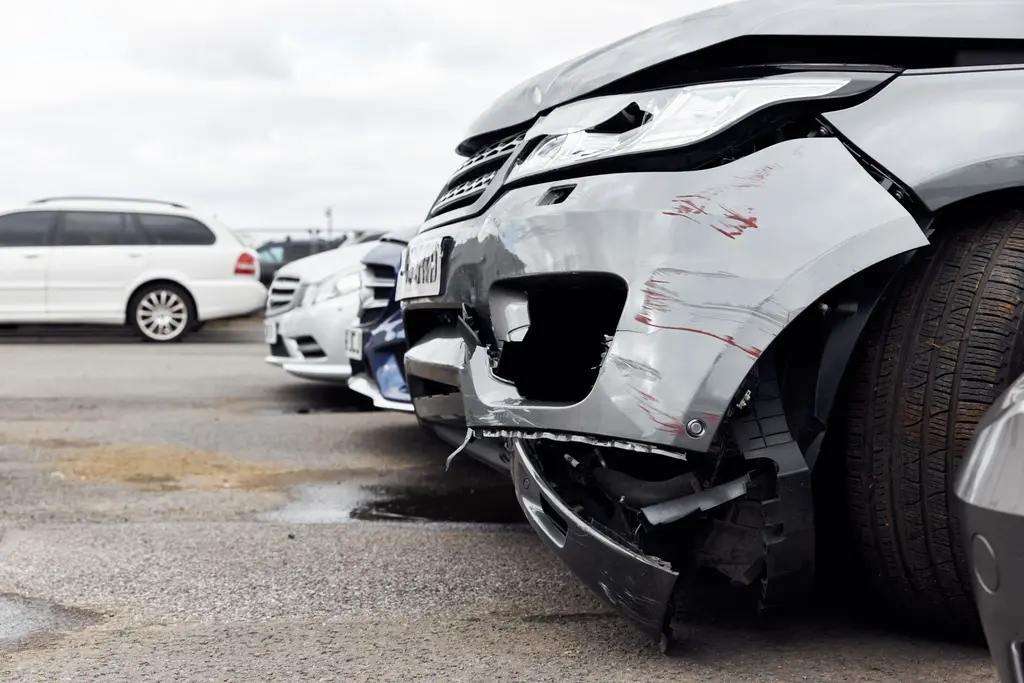
Car with front-end damage parked on a city street after a crash

Who Pays for Your Car After a Crash? Property Damage Claims in California

By | Car Accidents

After a California crash, the driver who caused it is generally responsible for the damage to your car. Viciti Law in Sherman Oaks helps drivers address insurance disputes involving accident claims. This guide explains your claim options, how insurers value totaled cars, and what to know about rental costs and deadlines.

Who pays for your car after a crash in California?

The driver who caused the crash is responsible, so you can claim against that driver’s property damage liability coverage. You can also use your own collision coverage, which is often faster but comes with a deductible. Your insurer may then seek its costs, including your deductible, from the at-fault driver’s insurer.

This follows Civil Code section 1714, which makes everyone responsible for harm caused by their lack of ordinary care. A claim with the other driver’s insurer is a third-party claim. It usually moves only as fast as the fault decision, and that insurer works for its own policyholder, not for you.

A claim on your own collision coverage is a first-party claim. Your insurer must handle it under the Fair Claims Settlement Practices Regulations. Afterward, it may pursue the other side through subrogation.

What if the other driver has little or no insurance?

California’s minimum property damage liability coverage is $15,000 under Vehicle Code section 16056. That may not cover a newer car. If the driver had no insurance, your own uninsured motorist property damage coverage may help. It applies only if your policy includes it and you can identify the driver or the vehicle.

Under Insurance Code section 11580.26, insurers must offer this coverage, but you can decline it in writing. So check your declarations page. Without collision coverage, the limit is your car’s actual cash value or $3,500, whichever is less. With collision coverage, it pays your collision deductible instead. It does not include loss of use.

The coverage has conditions. The two vehicles must have touched, and you must identify the driver or the license plate. If the insurer disputes your right to recover, arbitration decides it. You must start that arbitration within one year of the accident.

If the other driver’s limits fall short, you may also pursue that driver for the balance.

How is a total loss valued in California?

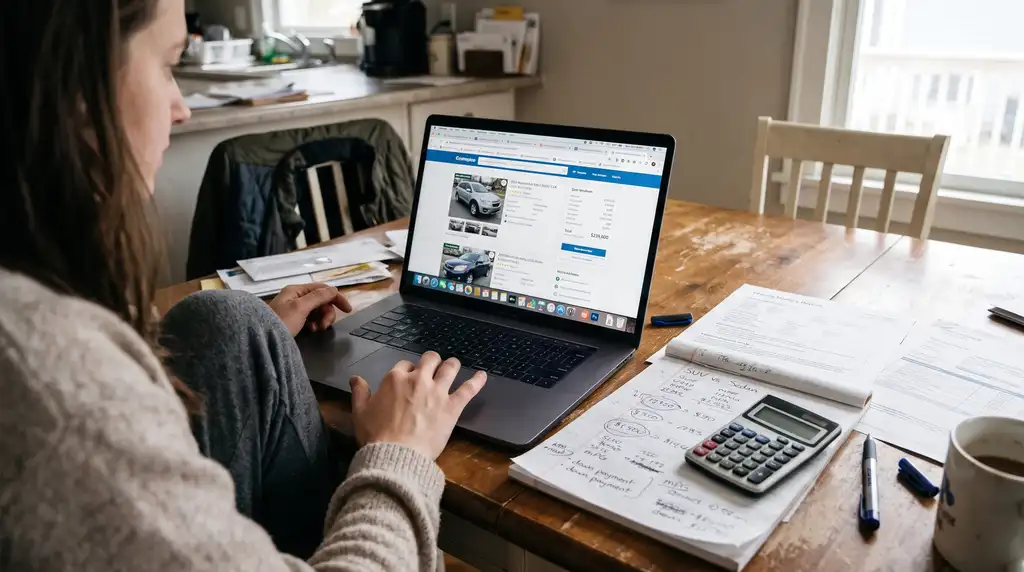
Driver comparing used car listings to check a total loss offer

Insurers value a total loss at actual cash value. In California, that means fair market value unless your policy defines it differently. Under 10 CCR 2695.8, the insurer bases that figure on the cost of a comparable vehicle. It must itemize and explain the number in writing when it makes the offer.

A comparable vehicle generally must be the same make, model type, and model year, with similar body type, options, and mileage. A newer model year may be used only when there are not enough comparable vehicles from the same model year. It must also have been available within 90 days of the final offer. Every adjustment needs documentation, and the settlement must include taxes, license fees and transfer fees.

These rules apply to claims with the other driver’s insurer too. So ask for the valuation report and check each comparable for the wrong trim, missing options or higher mileage. Then gather your own listings and service records to support a higher value.

Can you get a rental car or loss of use?

Driver picking up keys to a rental car while their own car is repaired

Often, yes. When the other driver caused the crash, you can generally claim the reasonable cost of renting a similar car. That covers the time reasonably needed to repair or replace yours. Under your own policy, however, rental coverage applies only if you bought it. It pays a set amount per day for a set number of days.

California’s civil jury instructions (CACI 3903M) tie loss of use to the rental value of a similar vehicle. So an insurer may push back on a luxury rental for a compact car. It may also question a rental that runs well past a reasonable repair time.

Keep every rental receipt. The Fair Claims regulations also require insurers to cover reasonable towing and storage charges after a covered loss. Storage fees add up daily, so ask the adjuster when you can move the car.

When does a property damage attorney make sense?

A property damage attorney makes sense when the problem is bigger than a slow reply. Examples include disputed fault, a low total loss offer, an uninsured driver, or a crash that also caused injuries. For a small, clear claim, you may be able to handle it yourself or use small claims court.

Small claims court hears cases of up to $12,500 brought by individuals (Code of Civil Procedure section 116.221). The California courts’ small claims guide explains the process. You can get a lawyer’s advice beforehand, but a lawyer cannot represent you in small claims court.

If you were hurt, the car claim and the injury claim are related but separate. A car accident attorney can review both and check that any release for the car covers only the car. Viciti Law handles crashes across Los Angeles and the San Fernando Valley through its personal injury practice.

Your own insurer also owes you a duty of good faith. If you face an insurer that delays or underpays your collision claim, a property damage attorney can review the file.

How long do you have to file a property damage claim?

In California, you generally have three years from the date of the damage to sue the responsible party over damage to your car. That is a lawsuit deadline, not a deadline for notifying your insurer. Report the accident promptly and check your policy’s reporting requirements. Shorter deadlines can apply, though, and some reports are due within days. A claim involving a government vehicle has a much shorter window.

Keep these dates in mind:

  • DMV report: file an SR-1 within 10 days if anyone was hurt or damage to anyone’s property tops $1,000. The rule is in Vehicle Code section 16000, and it applies even if police already have a report.
  • Government vehicle: present a written claim within six months (Government Code section 911.2).
  • Uninsured motorist property damage: start arbitration within one year if your insurer disputes the claim.

Frequently Asked Questions

Should I use my own collision coverage or wait for the other driver’s insurer?

It depends on how clear fault is and how soon you need the car. Your collision coverage can move faster because your insurer does not need a fault decision first. However, you pay the deductible up front. If your insurer later recovers from the other side, the Department of Insurance says that recovery must include your deductible.

Can I keep my car if it is totaled?

California’s rules allow for it. If you keep a totaled car, the insurer subtracts its salvage value from the settlement. The Department of Insurance says that deduction must be fair, measurable and discernible. The insurer must also tell you in writing that the DMV needs notice. Before deciding, get a repair estimate so you know what fixing it will cost.

What if the adjuster’s estimate is lower than my shop’s?

Send the insurer your shop’s written estimate and ask how it will close the gap. Under 10 CCR 2695.8(f), the insurer must then pay the difference or adjust your shop’s estimate in writing. If you ask, it can instead name a shop that will do the work for its estimate. Also, the insurer cannot require you to use a particular shop.

Do I need a police report for a property damage claim?

Not always. Under Vehicle Code section 20008, drivers must report injury or fatal crashes to CHP or police within 24 hours. Even so, a report can help settle fault. Consider calling LAPD on city streets or CHP on the 101 or 405.

Talk to Viciti Law About Your Car Damage Claim

If an insurer is slow, disputes fault, or undervalues your car, contact Viciti Law for a free consultation. A property damage attorney at the firm can review your estimates and the insurer’s letters. Call (310) 919-5011 or visit the office at 13743 Ventura Blvd, Suite 240, in Sherman Oaks. The team speaks English, Spanish and Russian.

Book Free Consultation

Past results do not guarantee a similar outcome. This article provides general information about California law and is not legal advice. Reading it does not create an attorney-client relationship. Attorney Advertising.