
Punitive Damages in California: What Civil Code 3294 Requires
Punitive damages in California are extra damages meant to punish a wrongdoer and set an example. They come in addition to the damages that repay your losses. Under Civil Code section 3294, you may recover them only by proving malice, oppression or fraud with clear and convincing evidence. That is a high bar.
This post explains what the statute requires, when the question can come up after an injury and what limits apply.
What are punitive damages in California?
In the words of Civil Code section 3294, they are damages “for the sake of example and by way of punishing the defendant.” A plaintiff may recover them in addition to actual damages, such as medical bills, lost earnings and pain. The law also calls them exemplary damages.
The difference is purpose. Actual damages aim to make up for what you lost. Punitive damages aim to punish and to discourage the same conduct in the future. Because of that, the focus shifts from your losses to what the defendant did and why.
Section 3294 applies to cases that do not arise from a contract. So an injury claim based on someone’s conduct can raise the question, while a simple contract dispute generally cannot.
What does Civil Code 3294 require?
Civil Code section 3294 requires clear and convincing evidence of oppression, fraud or malice. That standard is higher than the usual one in a civil case, which is a preponderance of the evidence. The statute also defines each of the three terms, and the definitions are narrow.
Under subdivision (c), the terms mean:
- Malice: conduct the defendant intended to injure the plaintiff. It also covers despicable conduct carried on with a willful and conscious disregard of the rights or safety of others.
- Oppression: despicable conduct that subjects a person to cruel and unjust hardship in conscious disregard of that person’s rights.
- Fraud: an intentional misrepresentation, deceit or concealment of a material fact known to the defendant. The defendant must intend to deprive a person of property or legal rights, or otherwise cause injury.
Two words carry much of the weight. Malice that is not intentional, and every kind of oppression, must involve conduct the statute calls despicable. And “conscious disregard” points to what the defendant knew.
When can punitive damages come up in an injury case?
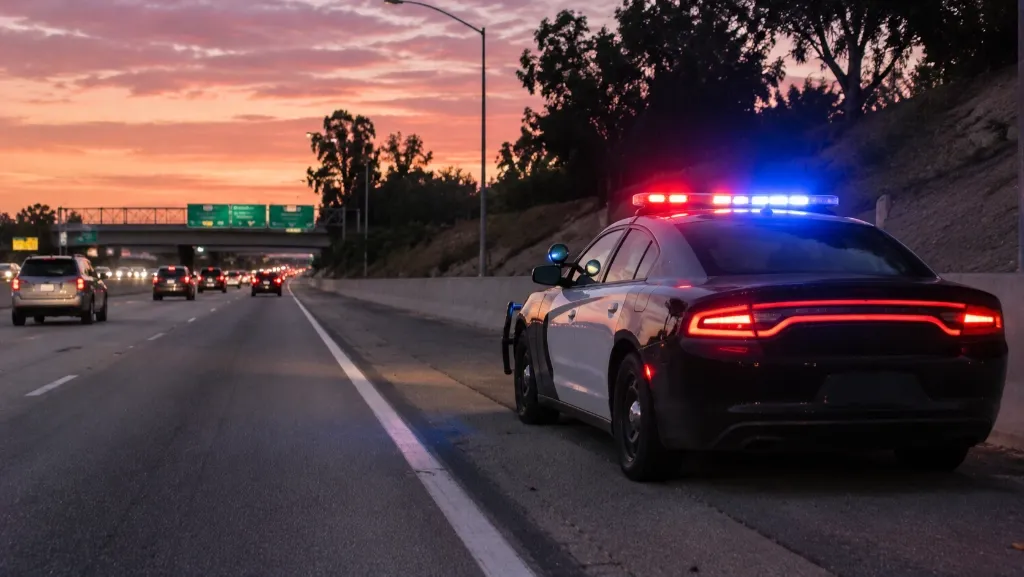
They may come up when the conduct goes well past carelessness. Drunk driving is the classic example. In Taylor v. Superior Court (1979), the California Supreme Court held that driving while intoxicated may show malice. That applies when the circumstances reveal a conscious disregard of the probable dangerous consequences.
The court said the plaintiff must show the driver knew of the probable dangerous consequences and willfully failed to avoid them. Drinking to the point of intoxication while knowing you must drive later may show that disregard. Even so, each case turns on its own facts and on the current wording of Section 3294. Viciti Law’s article for people looking for drunk driving accident attorneys covers those claims in more detail.
An ordinary crash caused by a moment of inattention generally does not fit the definitions above. Still, the full facts matter. A lawyer looks at what the other driver knew and chose before ruling the question in or out. Near Sherman Oaks, the CHP report for a crash on the 101 or the 405 is one of the first records to request.
Can punitive damages be awarded against a company?
They may be, but Section 3294(b) limits when an employer answers for an employee’s conduct. The employer must have known in advance that the employee was unfit and employed them anyway, in conscious disregard of others’ safety. Otherwise, it must have authorized or ratified the conduct, or been guilty of malice, oppression or fraud itself.
For a corporation, the statute adds a further step. The advance knowledge, authorization, ratification or wrongful act must come from an officer, director or managing agent. So proof of an employee’s malice alone is not enough to reach the company.
Public entities are different. Under Government Code section 818, a public entity is not liable for punitive damages under Section 3294.
How is the amount decided?
There is no fixed formula for punitive damages in California. The state’s jury instructions tell jurors to consider how reprehensible the conduct was. Jurors also ask whether the amount bears a reasonable relationship to the harm. Then they consider what amount would punish and deter, given the defendant’s financial condition.
The defendant’s wealth has its own rules under Civil Code section 3295. Pretrial discovery of the defendant’s finances needs a court order. To get one, the plaintiff must show a substantial probability of winning the punitive claim. At trial, if the defendant asks, the court keeps that evidence out until the jury awards actual damages and finds malice, oppression or fraud.
The U.S. Constitution also limits punitive awards through its due process clause. A court may reduce an award that goes past those limits, so a jury’s number is not always the final one.
Can insurance cover punitive damages in California?
Generally, no. In Peterson v. Superior Court (1982), the California Supreme Court said public policy bars an insurer from paying a punitive award. Shifting the penalty to an insurer would weaken its effect. As a result, a defendant may have to pay punitive damages personally.
That does not end the coverage question. Insurance Code section 533 says an insurer is not liable for a loss caused by the insured’s willful act. In Peterson, however, the court said that a drunk driver’s conscious disregard was not a willful act under that section. So the driver’s policy may still apply to the actual damages.
This question is about the wrongdoer’s liability coverage. It is separate from a bad faith insurance claim, which concerns how an insurer treats its own policyholder.
Frequently asked questions
Can I get punitive damages after a car accident?
Possibly, but not for carelessness alone. Section 3294 requires malice, oppression or fraud, shown by clear and convincing evidence. Under Taylor v. Superior Court (1979), a drunk driver’s conduct may meet that standard. That is so when it shows a conscious disregard of the danger. Whether a particular crash fits depends on what the driver knew and chose.
Are punitive damages available in a wrongful death case?
Generally not in the wrongful death claim itself, which the family brings for its own losses. Section 3294(d) makes an exception for a death from a homicide that led to the defendant’s felony conviction. Separately, a survival action by the estate may include punitive damages the person could have recovered had they lived.
Do I have to prove punitive damages separately?
In a sense, yes. You must prove malice, oppression or fraud by clear and convincing evidence, a higher standard than for actual damages. Under Section 3295, the complaint cannot state an amount for them. Also, if the defendant asks, evidence of that defendant’s wealth waits until the jury awards actual damages and makes that finding.
How long do I have to file?
Punitive damages are part of the underlying claim, so that claim’s deadline applies. For most injury suits, the deadline is two years under Code of Civil Procedure section 335.1. If a public entity may be responsible, a written claim is generally due within six months under Government Code section 911.2. Keep in mind that Section 818 bars punitive damages against a public entity.
Talk to Viciti Law About Punitive Damages
If someone hurt you through conduct that seemed deliberate or reckless, the facts deserve a careful look. To talk it through, contact Viciti Law for a free consultation or call (310) 919-5011. You can also read more about the firm’s work as a personal injury lawyer in Los Angeles.
The office is at 13743 Ventura Blvd, Suite 240, in Sherman Oaks. The firm speaks Spanish and Russian, and it takes each and every case personally.
Book Free Consultation (button, links to /contact-us/)
Past results do not guarantee a similar outcome. This article provides general information about California law and is not legal advice. Reading it does not create an attorney-client relationship. Attorney Advertising.