Who Is at Fault in a T-Bone Car Accident in California?
In a T-bone car accident in California, fault generally rests with the driver who did not yield. That might be a driver who ran a red light, skipped a stop sign or turned left into oncoming traffic. Still, both drivers can share fault, and it does not depend on which car’s front end made contact.
This guide covers the right-of-way rules, how fault is split, the evidence that matters and what to do next.
What is a T-bone car accident?
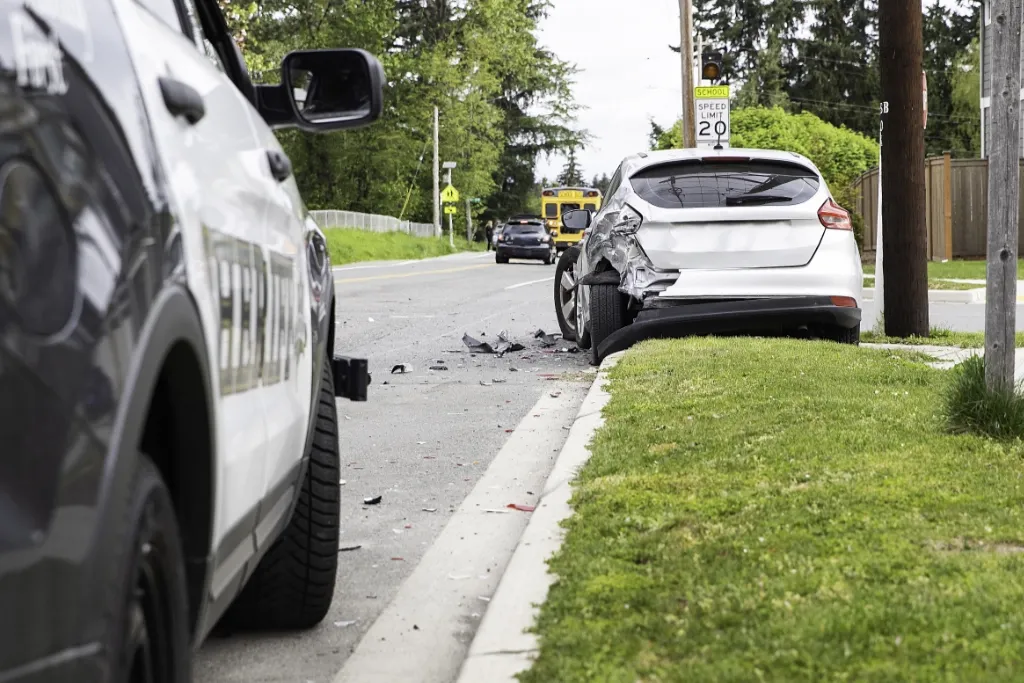
A T-bone car accident happens when the front of one vehicle strikes the side of another. Together, the two cars form the shape of a T. You may also hear it called a side-impact or broadside collision. These crashes happen where two paths cross, such as an intersection, a driveway, a parking lot exit or an alley.
In the Valley, that could be a signal on Ventura Boulevard or a four-way stop on a side street. A side impact differs from a head-on collision, where two cars meet front to front. Even so, one question decides both: who failed to use reasonable care?
Who has the right of way at an intersection?
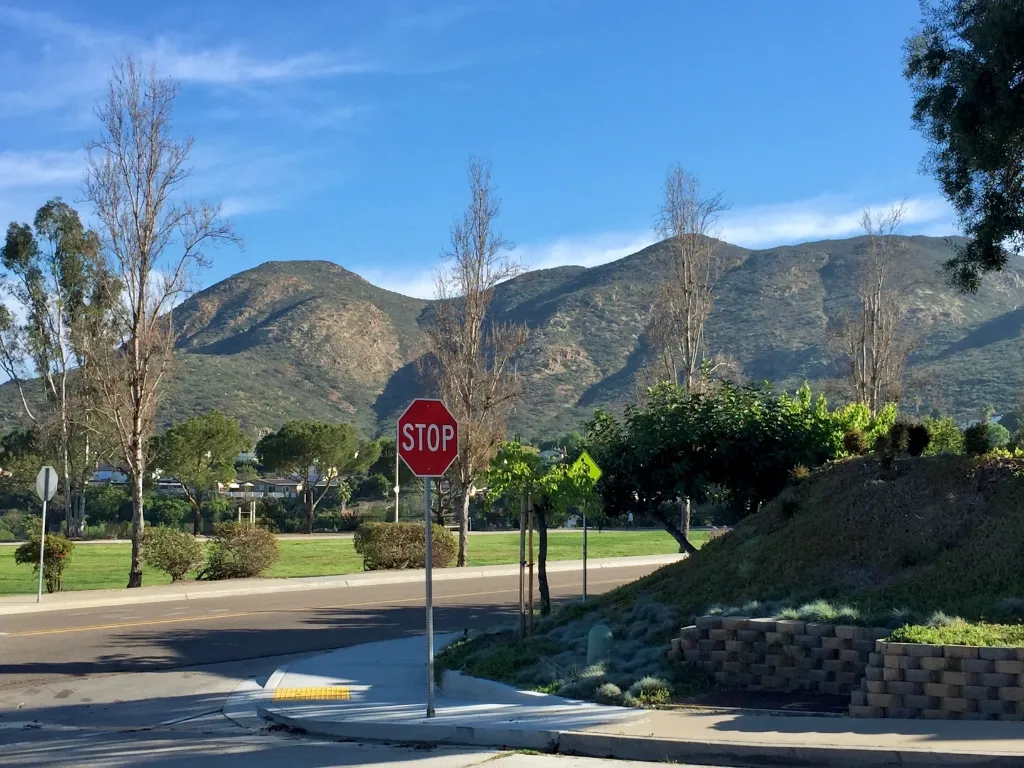
The Vehicle Code sets the order. A driver must yield to a car that is already in the intersection. When two cars arrive together at an uncontrolled corner or an all-way stop, the driver on the left yields. Signals, stop signs, left turns and driveways each have their own rule, and these sections set them out.
- Vehicle Code section 21800 covers corners with no signs or signals, all-way stops and dark signals. The car that entered first goes first. If two enter at once, a driver on a road that ends there yields to the road that continues.
- Vehicle Code section 21801 says a driver turning left yields to oncoming traffic close enough to be a hazard.
- Vehicle Code section 21802 requires a full stop at a stop sign, then a yield to close cross traffic.
- Vehicle Code section 21453 requires a stop at a red light. A right turn on red is legal after a stop, unless a sign forbids it, but the driver still yields.
- Vehicle Code section 21804 says a driver leaving a driveway, a lot or an alley yields to close traffic.
Is the driver who hit the side always at fault?
No. The driver whose car struck the side may have had a green light. The driver who got hit may have run the red. Fault turns on who failed to use reasonable care, and California lets both drivers share it. So the direction of the impact matters less than the choices that led up to it.
Since Li v. Yellow Cab Co. (1975), California has followed pure comparative negligence. A judge or jury sets each driver’s share as a percentage. An injured driver’s own share then reduces their damages, but it does not bar the claim. Viciti Law’s guide to California’s at-fault rules explains that split.
Breaking a traffic law also carries weight. Under Evidence Code section 669, violating a safety statute can create a presumption of carelessness. The driver can rebut it by showing they acted with reasonable care. For example, a driver with a green light who was speeding may still share the blame.
What evidence shows who had the light?
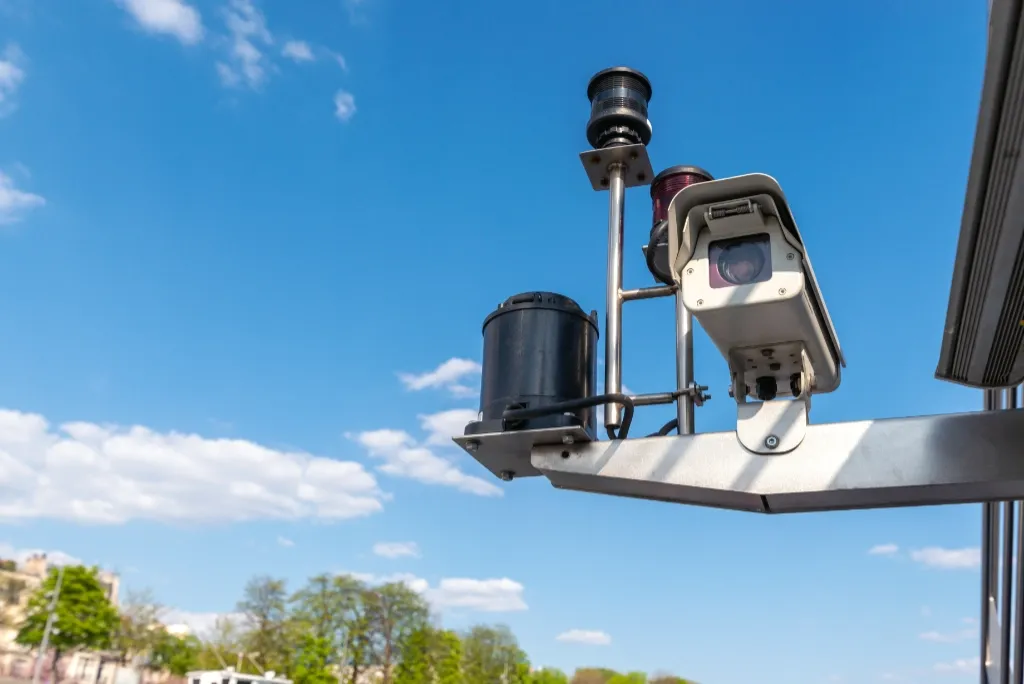
When both drivers claim a green light, the answer has to come from evidence that does not depend on memory. Video and independent witnesses can help. So can the police or CHP report, the damage to each car and the data stored in the vehicles. Together, they can show who entered on a red light.
- Video from traffic cameras, businesses, doorbells or dashcams, which may not stay on file for long.
- Names and phone numbers of witnesses who were not in either car.
- The police or CHP report, with any diagram it includes.
- Photos of where the cars stopped, the damage and the signals.
- Data from each car’s event data recorder, which NHTSA describes as a record of a few seconds around the crash.
That last item has its own rule. Under Vehicle Code section 9951, anyone other than the owner generally needs the owner’s consent or a court order to retrieve it. Near Sherman Oaks, the CHP usually handles crashes on the 101 and the 405, while the LAPD covers Ventura Boulevard.
Why can side impacts cause serious injuries?
A side impact leaves little room between the people inside and the car that strikes them. NHTSA notes that side air bags must inflate quickly for that reason, since so little space separates the occupants from the striking vehicle. A passenger on the struck side sits closest to the force.
Because of that, get checked by a doctor after a side-impact collision, even if you feel fine. Then keep every record of your care. Those records show what the crash did and what treatment cost.
What should you do after a T-bone car accident?
Get medical care first, then report the crash when the law requires it. After an injury crash, Vehicle Code section 20008 calls for a written report within 24 hours. It goes to the CHP or the city police. Section 16000 may also require an SR-1 to the DMV within 10 days. Then save the evidence before it disappears.
- Call 911 if anyone needs help.
- Get checked by a doctor, even if you feel fine.
- Exchange license, vehicle and insurance details with the other driver, as Vehicle Code section 16025 requires.
- Photograph the cars, the intersection and the signals, and collect witness names.
- File an SR-1 within 10 days if the crash injured or killed anyone, or caused over $1,000 in property damage to any one person.
- Speak with a lawyer before you give a recorded statement.
A car accident lawyer in Los Angeles can review the report and the evidence with you.
Frequently asked questions
What if both drivers say they had a green light?
Then the evidence decides, not the competing stories. Video, independent witnesses, the damage pattern and vehicle data can show who entered on a red light. Each insurer may reach its own view of fault, but that view is a position, not a ruling. If the case goes to court, a judge or jury decides who had the light.
Who is at fault at a four-way stop?
At an all-way stop, every driver must stop. Under Vehicle Code section 21800, a driver then yields to any car that has already entered the intersection. When two cars enter at the same time, the driver on the left yields to the driver on the right. A driver who rolls through breaks Vehicle Code section 22450, which can count against them.
Can a passenger bring a claim against both drivers?
Yes, in many cases. A passenger who did nothing to cause the crash can bring a claim against each driver whose carelessness contributed to it. That includes the driver of their own car. A judge or jury can then split fault between the drivers. Each driver’s liability coverage may apply, so collect insurance details from both.
How long do I have to file?
For most injury claims, the deadline is two years from the crash under Code of Civil Procedure section 335.1. Claims for damage to your car generally have three years under section 338. If a city vehicle or public road played a part, a written claim is due within six months under Government Code section 911.2.
Talk to Viciti Law About a T-Bone Car Accident
If another driver or an adjuster is blaming you for a side-impact crash, get a second look at the evidence. To talk it through, contact Viciti Law for a free consultation or call (310) 919-5011.
The office is at 13743 Ventura Blvd, Suite 240, in Sherman Oaks. The firm speaks Spanish and Russian, and it takes each and every case personally.
Book Free Consultation (button, links to /contact-us/)
Past results do not guarantee a similar outcome. This article provides general information about California law and is not legal advice. Reading it does not create an attorney-client relationship. Attorney Advertising.