The California Tort Claims Act: Claims Against Cities, Counties and Schools
The California Tort Claims Act sets the rules for injury claims against cities, counties, school districts and other public entities. Before you sue one of them for money, you generally must present a written claim to it. For most injury claims, that claim is due within six months.
Below are the parts that matter most after an injury, from who the Act covers to what to do if time has passed.
What is the California Tort Claims Act?
It is the informal name for Government Code section 810 and the sections that follow it. Together they decide when a public entity can be responsible and how you bring a claim. The core rule is simple: the written claim comes first, and the lawsuit can only come after.
Under Government Code section 945.4, you generally cannot sue a public entity for money until you present a written claim. You also wait until the entity acts on it, or until the law treats the claim as rejected.
You may also see a different name. In City of Stockton v. Superior Court (2007), the California Supreme Court adopted the name Government Claims Act. The claim rules reach well beyond tort cases, and Section 810 now uses that name as well.
Who counts as a public entity?
Government Code section 811.2 gives a broad answer. A public entity includes the state, the University of California and the California State University. It also includes every county and city, and any district, public authority, public agency or other political subdivision in California. So the California Tort Claims Act reaches school districts and transit agencies.
Near Sherman Oaks, that can mean the City of Los Angeles, Los Angeles County or a public school district. It can also mean a public housing authority. Viciti Law’s article on negligent security claims covers when an owner may be responsible for crime on its property, such as an apartment complex. When the owner is public, the claim step comes first.
What deadlines apply under the California Tort Claims Act?
The main deadline is six months. Government Code section 911.2 sets it for claims of death, personal injury or damage to personal property. The six months run from the date the claim accrues. Most other claims have one year. After that, the entity and the courts each run on their own clocks.
The chain usually looks like this:
- You have six months to present an injury or death claim, under Section 911.2.
- The entity’s board then has 45 days to act on it, under Section 912.4. If the board does nothing, the law treats the claim as rejected on the last day.
- After a written notice of rejection, you have six months to file suit, under Section 945.6.
- If no written notice comes, the same section allows two years from accrual.
So a claim against a public entity runs on a faster clock than the two-year deadline for most injury suits. A personal injury lawyer in Los Angeles can help you map these dates against your own facts early.
What does the claim have to include?
Government Code section 910 lists what the claim must show. You give your name and mailing address, where notices should go, and the date, place and circumstances of what happened. Then you describe the injury or loss, name any public employees involved if you know them, and address the amount.
The amount rule surprises people. If the claim totals less than $10,000, you state the amount and how you figured it. If it is more than $10,000, Section 910 says you leave the dollar figure out. Instead, you state whether the case would be a limited civil case.
Keep a copy of everything you send, along with proof of the date you sent it. Photos, medical records and witness names can matter later, too.
When is a public entity responsible for an injury?
A public entity is responsible only when a statute says it is. Government Code section 815 states that, except as a statute provides, a public entity is not liable for an injury. In injury cases, the rules that can apply cover employees, dangerous public property and public vehicles.
Each one works a little differently:
- Employees: under Section 815.2, a public entity can be liable for an employee’s act on the job. That applies when the act would also support a claim against the employee.
- Vehicles: under Vehicle Code section 17001, a public entity is liable when an employee’s negligent driving on the job causes injury.
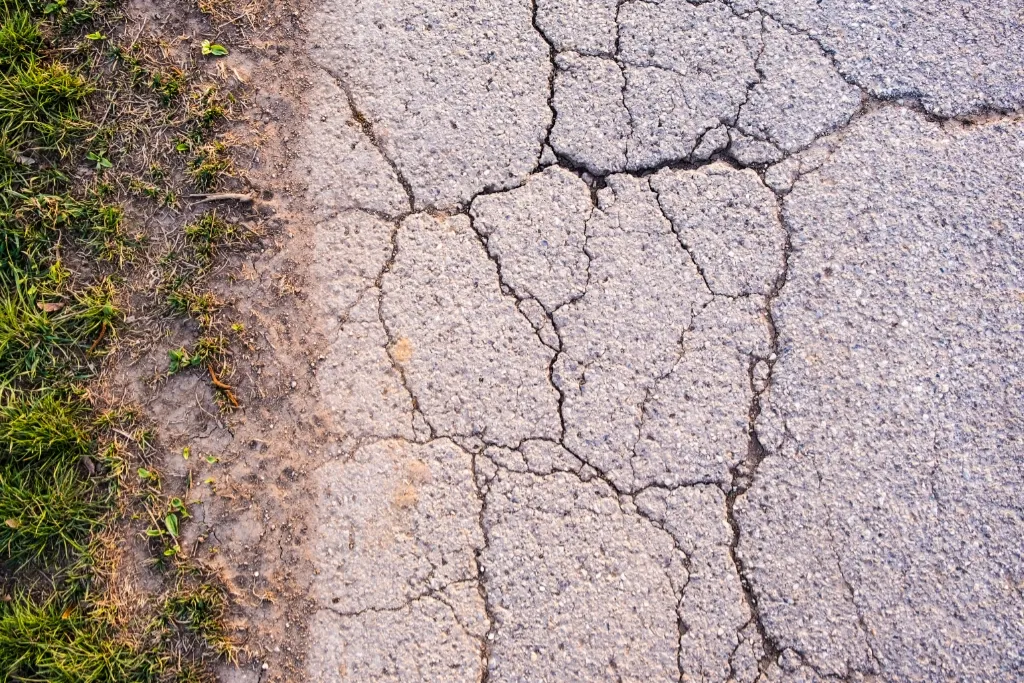
- Property: under Government Code section 835, a public entity can be liable for a dangerous condition of its property. The condition must have caused the injury and created a foreseeable risk. An employee also must have created it, or the entity must have had notice in time to protect against it.
The Act also contains immunities, and Section 815 makes liability subject to them. Some can block a claim entirely. For example, under Section 818, a public entity is not liable for punitive damages. Section 830 also sets a threshold: a condition that creates only a minor or trivial risk does not count as dangerous.
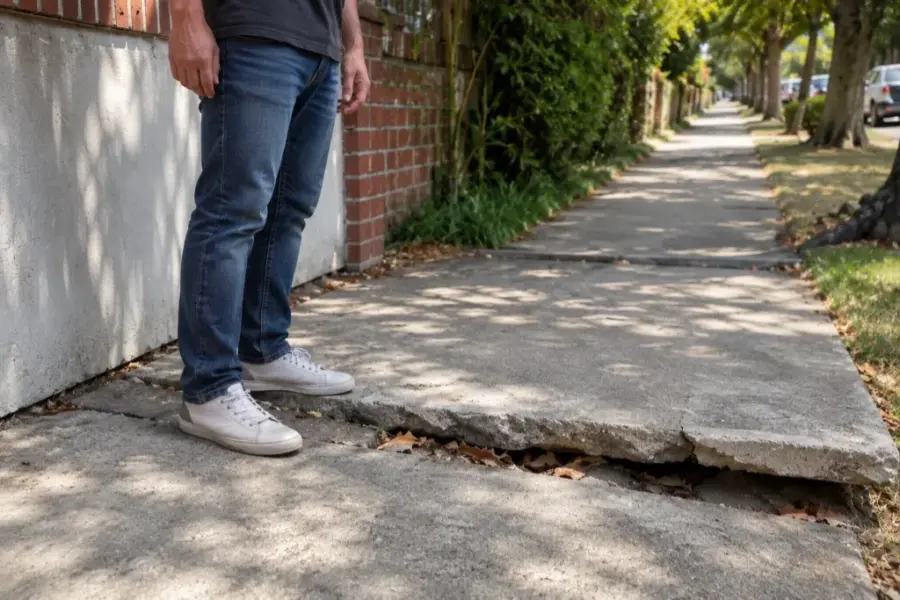
After a fall on a broken sidewalk, a pedestrian accident lawyer in Los Angeles can check it against Section 835.
What if you missed the six-month deadline?
You may still have options. Government Code section 911.4 lets you apply in writing to the public entity for leave to present a late claim. The application has to arrive within a reasonable time, and no later than one year after the claim accrued. It must explain the delay and attach the proposed claim.
If the entity says no, Section 946.6 lets you petition the superior court within six months of the denial. The court looks at grounds such as excusable neglect, a minor’s age, incapacity or death. Because that one-year limit has very few exceptions, act as soon as a public entity seems to have a part.
Frequently asked questions
Does the Act apply to a crash with a city bus?
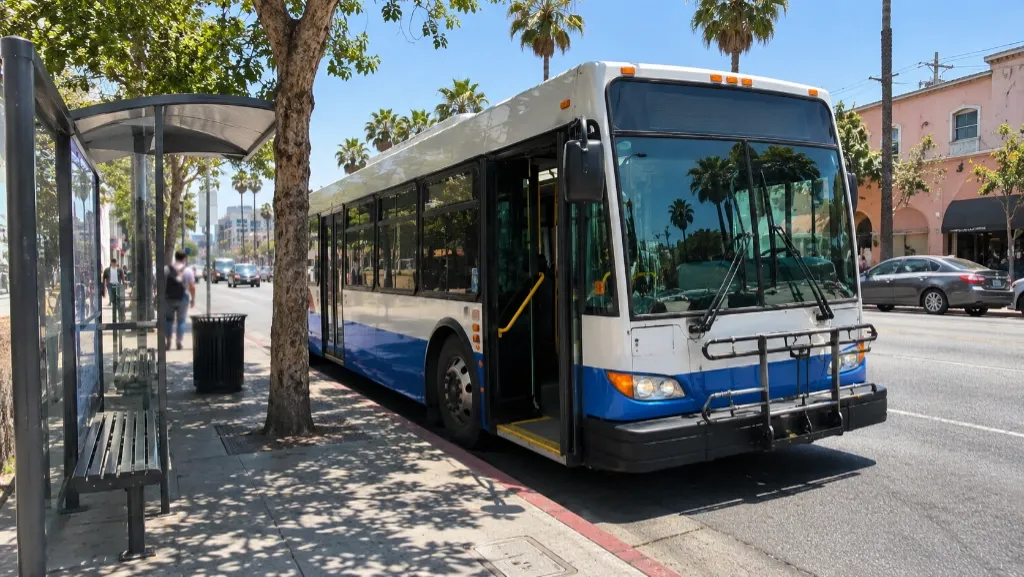
Yes. A city is a public entity under Government Code section 811.2. So a written claim generally has to come before any lawsuit. Vehicle Code section 17001 also makes a public entity liable when an employee’s negligent driving on the job causes injury. For an injury, the claim is generally due within six months.
Can I bring a claim against a school district?
Yes. Section 811.2 lists districts among public entities, and a public school district is one of them. You present the claim to the district itself. Generally, you deliver it to its clerk or secretary, or mail it to its governing body. A claim about an unsafe campus may rest on the dangerous condition rule in Section 835.
Is the deadline different for a minor?
The six months in Section 911.2 does not pause for a child. Instead, the late claim rules help. Under Section 911.6, the board must grant a timely late claim application for someone who was a minor during the six months. Even then, Section 911.4 still requires the application within one year after the claim accrued.
Where do I file the claim?
You file it with the public entity, not the court. Under Government Code section 915, a claim against a city, county or district goes to its clerk, secretary or auditor. You can also mail it to its governing body. Online filing works only where the entity allows it. Most claims against the state go to the Department of General Services.
Talk to Viciti Law About a Claim Against a Public Entity
If a city vehicle, a county road or a school played a part in your injury, the six-month clock may already be running. To talk it through, contact Viciti Law for a free consultation or call (310) 919-5011.
The office is at 13743 Ventura Blvd, Suite 240, in Sherman Oaks. The firm speaks Spanish and Russian, and it takes each and every case personally.
Book Free Consultation (button, links to /contact-us/)
Past results do not guarantee a similar outcome. This article provides general information about California law and is not legal advice. Reading it does not create an attorney-client relationship. Attorney Advertising.