

A California property owner may be responsible for injuries caused by a crime if it failed to take reasonable security measures against foreseeable criminal activity and that failure contributed to the harm. A negligent security claim examines what the owner knew, what precautions it took and how its actions or inaction affected your safety. The attacker remains responsible for the crime, but the owner may also be accountable for its own negligence.
What is negligent security under California Law?
In California, negligent security is a type of premises liability claim. It applies when an owner or manager fails to take reasonable steps against a crime that was foreseeable. Under California Civil Code section 1714, everyone is responsible for injuries caused by a lack of ordinary care. That duty includes the way a person manages property.
This claim does not excuse the person who committed the crime. Instead, it looks at what the owner knew and what it did about it. Because these cases fall under premises liability, a premises liability attorney in Los Angeles can review how the owner ran the property.
When is a California property owner responsible for a crime on its property?
An owner may be responsible when it owed a duty to take reasonable precautions against foreseeable crime, failed to do so and that failure was a substantial factor in causing the injury. A court determines whether the duty existed. If the case reaches a jury, the jury evaluates whether the owner acted reasonably and whether its negligence contributed to the harm.
Foreseeability is the key question. In Ann M. v. Pacific Plaza Shopping Center (1993), the California Supreme Court said a duty to act against another person’s crime arises only when the owner can reasonably anticipate it. It also weighed how foreseeable the crime was against the burden of the proposed safety step. So for a costly step such as hiring guards, the court required a high degree of foreseeability. It added that an injured person can rarely, if ever, prove this without prior similar incidents of violent crime on the premises.
Later, in Delgado v. Trax Bar & Grill (2005), the court described a sliding scale. A duty to provide guards arises only with heightened foreseeability, such as prior similar incidents at that location.
However, simple and minimally burdensome steps require only ordinary foreseeability. California’s civil jury instructions (CACI No. 1005) cite both cases.
Where do negligent security cases happen?
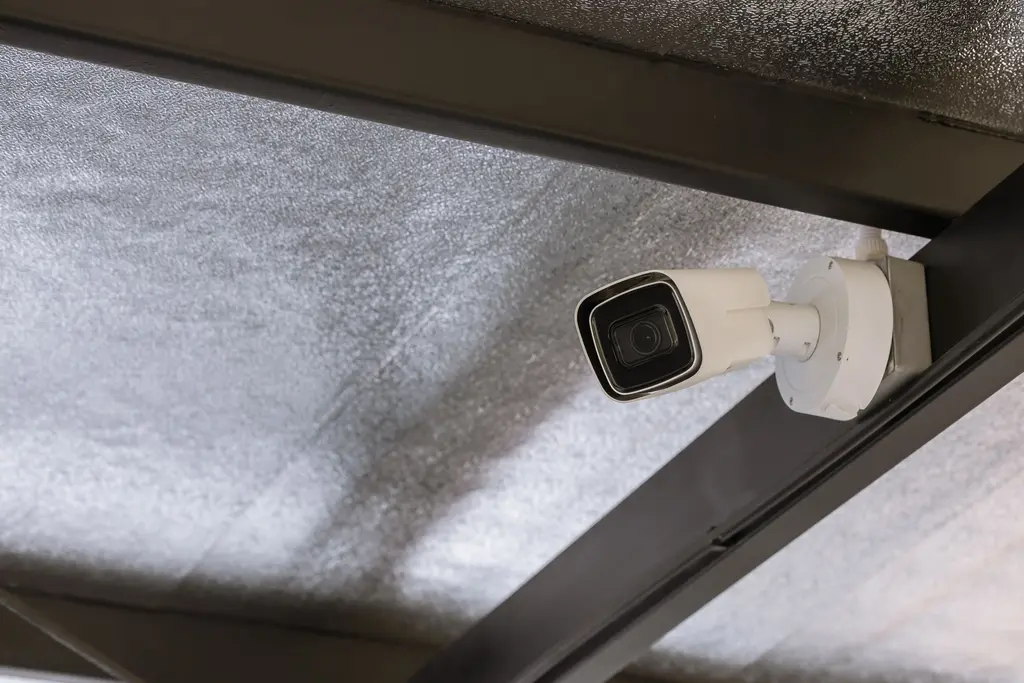
These cases can arise anywhere the public or tenants gather and an owner controls the space. They often involve apartment complexes, parking garages, hotels and motels, bars and nightclubs, shopping centers and gas stations. The common thread is a property where the owner had reason to expect crime and did too little about it.
Typical problems include:
- Apartments with broken entry gates, doors that do not lock or dark walkways
- Parking garages with broken cameras or no patrols despite past crimes
- Hotels and motels with unsecured side doors
- Bars where staff can see a fight building
- Stores and gas stations with a history of robberies
The same duty of care covers other hazards, such as the wet floors behind many slip and fall accidents. If a public agency owns the property, a much shorter deadline applies, covered below.
What evidence helps prove negligent security?

Evidence that helps prove negligent security shows that the crime was foreseeable and that the owner’s precautions fell short. Records of past incidents, police calls, complaints and repairs often matter most. Because some evidence disappears quickly, it helps to act early and send the owner a written request to keep it.
Useful evidence includes:
- Prior incident reports and police call records for the property
- Tenant complaints about broken locks, gates or lights
- Maintenance logs showing how long a problem went unfixed
- Guard schedules and staffing records
- Video from the property, which some systems record over within days
- Photos of the lighting, doors and fences
Your own records matter too. Get checked by a doctor and keep every medical record. Like other personal injury claims, these cases also rely on the police report and witnesses.
Can you bring a California negligent security claim even if the attacker is never caught?
Yes. You may bring a negligent security claim even if police never identify or arrest the attacker. However, you still need evidence connecting the owner’s security failure to your injury. Showing that the property had security problems is not enough by itself.
The evidence may include video, witness accounts and records showing how the attacker gained access or how staff responded to a known threat. These details can help establish whether the owner’s failure to take reasonable precautions contributed to the harm.
Responsibility can fall on more than one person. The attacker remains responsible for the crime, while the owner may also be responsible for its own negligence.
How long do you have to file a claim in California?
In most California injury cases, you have two years from the date of injury to file a lawsuit. That rule comes from Code of Civil Procedure section 335.1. If a public entity owns the property, such as a housing authority or transit agency, the timeline is much shorter.
In that case, you generally must present a written claim to the agency within six months under Government Code section 911.2. Also, video and witnesses can disappear while you wait. So it helps to speak with a lawyer well before any deadline.
Frequently Asked Questions
Can a California landlord be responsible for a break-in at my apartment?
A landlord may be responsible if the break-in was foreseeable and the landlord did not take reasonable steps to prevent it. In Castaneda v. Olsher (2007), the California Supreme Court said a landlord generally must take reasonable measures to secure areas it controls against foreseeable crime. Civil Code section 1941.3 also requires deadbolts on main entry doors and locks on most windows that open. Tell the landlord in writing about any broken lock.
Can I sue a bar for an assault in its parking lot?
Possibly. A bar owes its patrons reasonable care, and the facts decide how far that duty reaches. In Delgado v. Trax Bar & Grill (2005), a patron was attacked in the bar’s parking lot. The court held that the bar had a duty to take reasonable, simple steps because its guard believed a fight was likely.
What if there was no security guard at all?
Having no guard does not by itself make an owner responsible, and it does not rule out a claim either. Under Ann M. and Delgado, a duty to provide guards requires heightened foreseeability, such as prior similar crimes. Even so, an owner may still have a duty to take simpler steps, such as repairing a broken lock or responding to trouble it can see.
How long do I have to report the incident?
Report a crime to police as soon as you safely can, and tell the property manager or owner in writing. Early reports create a record and give the owner a reason to keep video. The deadline to file a lawsuit is a separate question. It is generally two years for an injury, but only six months to present a claim against a public entity.
Do I need a California negligent security lawyer?
You do not have to hire a lawyer, but these cases depend on records the owner controls and on detailed rules about foreseeability. A lawyer can request incident reports, video and maintenance logs, and can handle contact with the owner’s representatives. That way, you can focus on your recovery while someone else keeps track of the evidence and the deadlines.
Talk to Viciti Law About an Injury on Unsafe Property
A crime can leave you shaken long after the physical injuries heal. If you or someone you love was hurt by a crime on someone else’s property, Viciti Law can review whether a negligent security claim may apply. The firm offers a free consultation from its office in Sherman Oaks and serves Los Angeles, the San Fernando Valley and Southern California.
Call (310) 919-5011 or contact Viciti Law to talk it through. The team speaks Spanish and Russian and takes each and every case personally.
Past results do not guarantee a similar outcome. This article provides general information about California law and is not legal advice. Reading it does not create an attorney-client relationship. Attorney Advertising.
