

Se Habla Español
Мы говорим по-русски
Category

Commercial Property Insurance

Business owner reading insurance papers at a shop counter

Commercial Insurance Claim Denied? Options for California Business Owners

By | Commercial Property Insurance

If your commercial property insurance claim was denied in California, start by reviewing the denial letter, your policy’s coverage terms and the deadline to sue. Depending on the dispute, you may challenge the denial with additional evidence, request appraisal for a disagreement over the amount of loss, or pursue legal action. A commercial insurance claims lawyer at Viciti Law can help you understand which options apply.

What Should You Do First After a Commercial Property Claim Denial?

First, get the denial in writing with every reason, a complete copy of your policy, and the insurer’s claim documents. Next, find your deadline to sue, which is often stated in the policy’s suit clause. Then choose how to challenge the decision. The right path depends on whether the dispute is about coverage, the amount, or both.

If your commercial policy includes fire coverage, Insurance Code section 2071 lets you request claim-related documents. The insurer must send copies within 15 calendar days of your request. These include estimates, scopes of loss, appraisals and reports on the amount of loss.

A commercial insurance claims lawyer can make these requests for you. Meanwhile, write down the date and substance of every conversation with the adjuster, and keep copies of everything you send.

Why are commercial property claims denied?

Water damage to the ceiling and floor of an empty office

Insurers deny commercial property claims for many reasons: exclusions, disputes over cause, late notice and missing records. Some denials follow the policy correctly. Others rest on a reading of the policy, or of the facts, that you can challenge with better evidence. The denial letter should tell you which reason the insurer relied on.

Common grounds include:

  • Exclusions, such as wear and tear, gradual leaks, mold or flood, depending on the policy
  • Disputes over cause, for example a sudden pipe burst versus a slow leak
  • Vacancy clauses that limit coverage when a building sits empty for a set period
  • Missed conditions, such as a sworn proof of loss or an examination under oath
  • Business interruption figures that do not clearly show the lost income

Late notice, another common reason, does not automatically defeat a claim. Under a long-standing California Supreme Court rule, an insurer relying on late notice generally must prove the delay substantially prejudiced it.

What must your insurer do under California rules?

California’s Fair Claims Settlement Practices Regulations set firm timelines for business claims as well as personal ones. Your insurer has 15 calendar days to acknowledge a notice of claim. After it receives proof of claim, it has 40 calendar days to accept or deny. Any denial has to be written and must list all of its grounds.

The Fair Claims Settlement Practices Regulations also cover business interruption claims, and the Department of Insurance has reminded insurers of that. If the insurer needs more time, it must say so in writing, explain what it still needs, and send an update every 30 days. A written denial must also tell you that you can ask the department to review it.

Insurance Code section 790.03 adds a list of unfair claims practices. Examples include misstating policy terms, failing to respond reasonably promptly, and failing to explain a denial or a low offer. The Insurance Commissioner enforces these standards.

How do business interruption claims work, and why are they disputed?
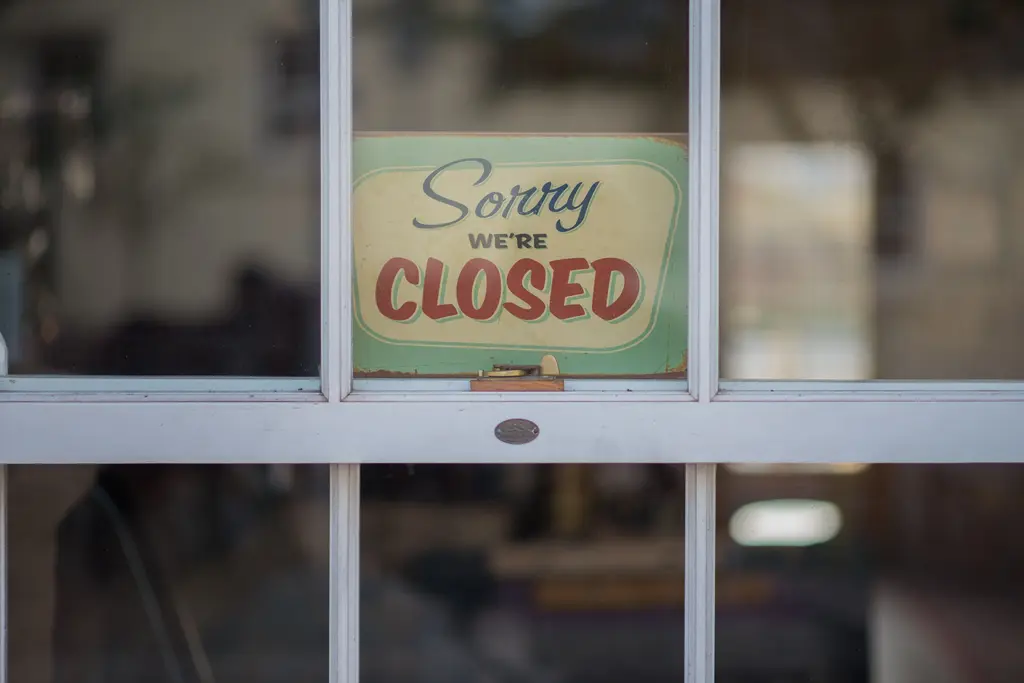
Restaurant closed for repairs with chairs stacked on tables

Business interruption coverage, often called business income coverage, may replace income a business loses while covered property damage keeps it closed or slowed. Coverage usually lasts for a period of restoration that the policy defines. Disputes tend to center on how long that period should run and how much the business would have earned.

To support your claim for lost income, gather records showing what the business likely would have earned. Insurers commonly ask for:

  • Tax returns and profit and loss statements from prior years
  • Monthly sales, payroll and bank records
  • Leases, loan payments and other expenses that continued during the closure
  • Repair schedules and contractor timelines

Some policies also include extra expense coverage for reasonable costs to keep operating, such as renting a temporary space. Policy wording varies, so read the definitions and time limits closely. A commercial insurance claims lawyer may also work with an accountant to test the insurer’s numbers.

How Can You Challenge a Commercial Insurance Claim Denial in California?

You can answer the denial in writing with new evidence. If the dispute is about the amount of loss, appraisal may help. You can also complain to the California Department of Insurance or sue for breach of contract and bad faith. The right mix depends on why the insurer said no.

  • Written response: answer each reason in the denial with documents, photos and outside reports, then ask the insurer to reconsider.
  • Appraisal: a process in fire policies that sets the value and amount of loss (see the FAQ below).
  • Department of Insurance complaint: call 1-800-927-4357 or file online. Its review is separate from any lawsuit, and your deadline to sue still applies.
  • Lawsuit: a breach of contract claim seeks the benefits the policy owes. If the denial was also unreasonable, it may support a claim for insurance bad faith.

When should a business owner call a commercial insurance claims lawyer?

Call a commercial insurance claims lawyer when the insurer’s reasons conflict with your policy wording or your records. The same goes for missed insurer deadlines or a substantial difference between your lost-income calculation and the insurer’s estimate. Also call well before your deadline to sue, because the policy’s suit clause can cut off the claim.

Other signs include repeated requests for the same documents, a reservation of rights letter, or a scheduled examination under oath. For a broader look at timing, read about when to hire a lawyer to fight an insurance company.

Viciti Law handles commercial property insurance claims for owners of shops, restaurants, offices and rental buildings across Southern California.

Frequently Asked Questions

Can I get a copy of my full policy from the insurer?

Yes, if your policy falls under Insurance Code section 2071, which governs fire policies. After a covered loss, section 2084 requires the insurer to send a free, complete copy of the policy in effect at the time of the loss. The deadline is 30 calendar days from your request. The copy must include endorsements and the declarations page. Even without a loss, you may request one free copy each year.

What is appraisal in a commercial claim?

Appraisal is a way to settle a disagreement over the value of property or the amount of a loss without a trial. Each side picks an appraiser, and the two appraisers choose an umpire. Then a written award signed by any two of the three sets the amount. Appraisal does not decide whether a loss is covered, so it fits disputes about numbers.

Does Bad Faith Apply to Business Insurance Policies in California?

Yes. The duty of good faith and fair dealing is part of commercial property and business interruption policies, not only homeowners coverage. If an insurer unreasonably withholds benefits the policy owes a business, the business may have a bad faith claim alongside its contract claim. For the warning signs, see what counts as a bad faith claim.

How Long Do I Have to Sue My Commercial Insurance Company in California?

Start with the suit clause in your policy. For fire policies, Insurance Code section 2071 allows at least 12 months from the inception of the loss. When the loss relates to a declared state of emergency, the period is 24 months. Under a 1990 California Supreme Court decision, the clock stops from notice of the loss until the written denial. For a bad faith tort claim, the usual limit is two years (Code of Civil Procedure section 339).

Talk to Viciti Law About a Denied Commercial Claim

If your business insurance claim was denied, delayed or underpaid, contact Viciti Law for a free consultation. A commercial insurance claim lawyer at the firm can review your denial letter, policy and records with you.

Call (310) 919-5011 or visit the office in Sherman Oaks. The firm speaks English, Spanish and Russian, and it takes each and every case personally.

Book Free Consultation

Past results do not guarantee a similar outcome. This article provides general information about California law and is not legal advice. Reading it does not create an attorney-client relationship. Attorney Advertising.


Homeowner reviewing a bad faith insurance claim denial letter in California

What Counts as a Bad Faith Insurance Claim in California?

By | Commercial Property Insurance, Homeowners Insurance Claims, Insurance Bad Faith

A bad faith insurance claim arises when your own insurer denies, delays, or underpays a valid claim without a proper reason. In California, every policy carries a duty of good faith and fair dealing. You can hold the company to it. For homeowners and business owners, bad faith often surfaces after a fire, water, or other property loss. This article covers what counts as insurance bad faith, how to prove it, and your deadlines.

What is a bad faith insurance claim?

A bad faith insurance claim is a claim against your own insurer for breaking its duty to treat you fairly. Every California insurance policy includes an implied promise of good faith and fair dealing. When the company withholds benefits it owes you without proper cause, it breaks that promise.

However, a bad faith claim differs from an ordinary policy dispute. In a routine dispute, you and the insurer disagree in good faith about coverage or value. Bad faith goes further, because it involves unreasonable conduct by the company. That difference is what can open the door to remedies beyond the policy benefits. Bad faith insurance claims typically grow out of a denial, a long delay, or an offer that does not match the damage.

What counts as bad faith in California?

Bad faith in California means withholding benefits unreasonably or without proper cause. California Insurance Code section 790.03 lists unfair claims practices. The Fair Claims Settlement Practices Regulations set deadlines insurers must meet.

Common signs of bad faith include:

  • Denial of a valid claim without a reasonable basis
  • Delays with no written explanation or status updates
  • Lowball offers far below documented repair or replacement costs
  • Failure to do a real investigation or inspection
  • Misstatements about what the policy covers
  • Silence on evidence that supports the claim

For example, under Insurance Code section 790.03, insurers may not misrepresent policy provisions, ignore claim communications, or fail to explain the basis for a denial. Only the Insurance Commissioner can enforce the statute. In Moradi-Shalal v. Fireman’s Fund (1988), the California Supreme Court held that it does not create a private right to sue. Instead, a policyholder’s lawsuit rests on the implied promise of good faith in the policy itself.

The Fair Claims Settlement Practices Regulations add firm deadlines. An insurer must acknowledge a claim within 15 calendar days. It must then accept or deny it within 40 calendar days of proof of claim. Also, a denial must come in writing and explain every reason behind it.

How do you prove insurance bad faith?

Claim documents gathered to prove insurance bad faith

To prove insurance bad faith, you generally show two things, as California courts explained in Love v. Fire Insurance Exchange (1990). First, benefits due under the policy were withheld. Second, the insurer’s reason for withholding them was unreasonable or without proper cause.

An honest disagreement is not enough. In Wilson v. 21st Century Insurance (2007), the California Supreme Court addressed this point. A genuine dispute over coverage or value defeats bad faith, but only when the insurer holds its position in good faith and on reasonable grounds. In addition, the court held that an insurer may not ignore evidence that supports the claim or deny it without fully investigating.

Next, gather evidence. Helpful proof includes:

  • The denial letter and every written reason the insurer gave
  • A complete copy of your policy, endorsements, and declarations page
  • Photos, video, and repair estimates for the property damage
  • A log of calls, emails, and dates with the adjuster
  • Outside reports that challenge the insurer’s findings

What can you recover in a bad faith insurance claim?

In a successful bad faith insurance claim, a policyholder may recover the policy benefits owed, plus other losses the insurer’s conduct caused. However, every case turns on its own facts, so no outcome is certain.

Depending on the facts, damages may include:

  • Policy benefits the insurer wrongfully withheld
  • Economic losses caused by the denial or delay
  • Damages for emotional distress caused by the insurer’s conduct, as recognized in Gruenberg v. Aetna (1973)
  • Attorney’s fees spent to recover policy benefits, under Brandt v. Superior Court (1985)
  • Punitive damages, but only with clear and convincing evidence of oppression, fraud, or malice under Civil Code section 3294

How long do you have to file a bad faith insurance claim in California?

The deadline to file a bad faith insurance claim depends on what you are seeking, because two deadlines can apply. First, any claim for policy benefits, even one framed as bad faith, falls under the suit clause in your policy. For fire coverage, Insurance Code section 2071 requires at least 12 months from the start of the loss. If the loss is related to a declared state of emergency, the minimum is 24 months.

That clock pauses from the time you report the loss until the insurer denies the claim in writing, under Prudential-LMI v. Superior Court (1990). Second, a bad faith claim for damages beyond the policy benefits generally carries a two-year deadline under Code of Civil Procedure section 339(1). Because the deadlines overlap and the dates are often disputed, confirm yours with a lawyer early.

When should you talk to a lawyer?

Homeowner looking at water damage inside an opened wall after a pipe leak

Talk to a lawyer as soon as a denial, delay, or low offer does not match your policy or the evidence. Early advice protects your deadlines and keeps your record complete. Still, not every dispute needs an attorney, especially when the insurer is still adjusting the claim fairly and on time.

Based in Sherman Oaks, Viciti Law represents policyholders across Southern California. A bad faith insurance attorney at the firm reviews your policy, claim file, and the insurer’s reasons before you decide what to do.

The firm also handles homeowners insurance claims and commercial property insurance claims, including fire, water, and business interruption losses. You speak with the same team from the first call, have direct access to your attorney at every stage, and can talk with the firm in Spanish or Russian.

Frequently asked questions

How do you sue an insurance company over a bad faith claim?

To sue an insurance company for bad faith, you file a civil lawsuit for breach of the implied covenant of good faith and fair dealing. That claim usually travels with a breach of contract claim. Before filing, gather the policy, the denial letter, and your claim records, then confirm which deadline applies. A lawyer can send a demand letter first, giving the insurer a final chance to pay before a suit.

Can I file a bad faith insurance claim against my own insurer?

Yes. In California, you bring a bad faith claim against your own insurer. Homeowners and business owners can bring one when their property insurer unreasonably denies, delays, or underpays a covered loss. The duty of good faith runs from the insurer to you as its insured.

Is a lowball offer insurance bad faith?

It can be. An offer far below documented repair or replacement costs is a warning sign. It is especially telling when the insurer will not explain how it reached the number. California rules require a reasonable explanation for any compromise offer. Still, a low offer based on a genuine, reasonable dispute over value is not bad faith on its own.

What is bad faith insurance in simple terms?

Bad faith insurance describes an insurer that puts its own interests ahead of yours when handling your claim. For example, it denies a valid claim, stalls without explanation, or offers far less than the loss is worth. California courts judge bad faith by whether the insurer acted reasonably. Getting less than you hoped for is not enough on its own.

Can I report bad faith to the California Department of Insurance?

Yes. You can file a complaint with the California Department of Insurance online or call its consumer hotline at 1-800-927-4357. In addition, the department enforces Insurance Code section 790.03. However, a complaint is not a lawsuit, so keep your filing deadline in view.

How much does it cost to talk to Viciti Law?

Consultations are free. The team speaks English, Spanish, and Russian. Bring your policy, your denial letter, and any photos or estimates.

Talk to Viciti Law about a bad faith insurance claim

If you believe you have a bad faith insurance claim, contact Viciti Law for a free consultation and a review of your denial letter.

Book Free Consultation

Past results do not guarantee a similar outcome. This article provides general information about California insurance law and is not legal advice. Reading it does not create an attorney-client relationship. Attorney Advertising.