
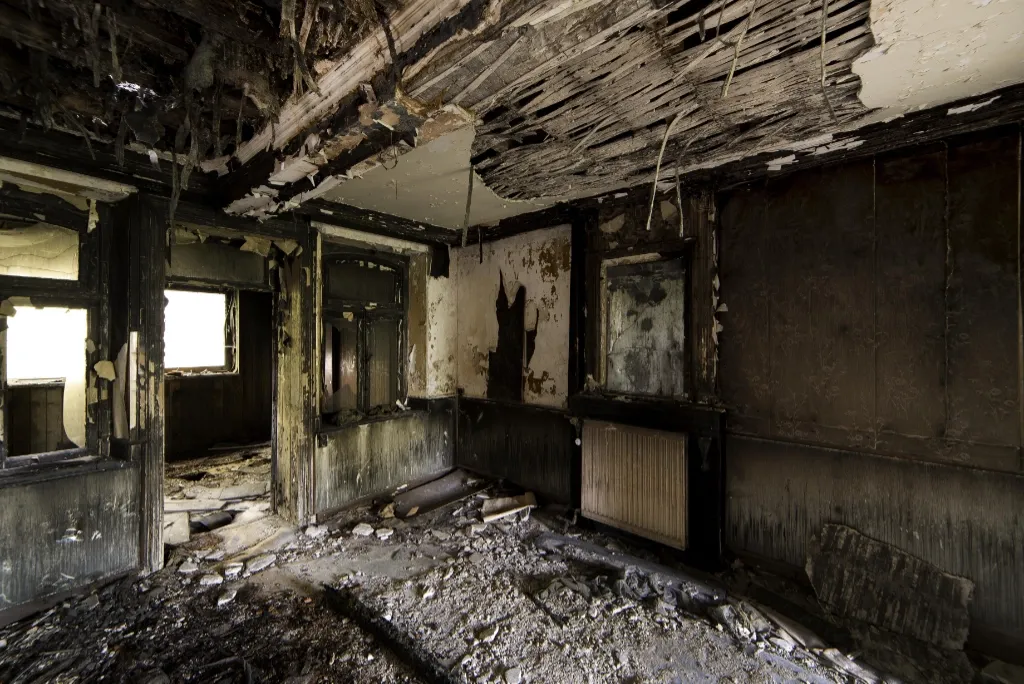
California Fire Damage Lawyer Guide: What Insurers Must Do After a Fire
After any fire, from a kitchen fire to wildfire smoke, your insurer has set duties. It must acknowledge the claim, investigate it, decide it on time and explain any denial in writing. California law also sets rules for rebuilding, contents and living expenses. A California fire damage lawyer can step in when the insurer falls short.
This guide covers any fire, anywhere in the state. Viciti Law’s article on Los Angeles fire insurance claim deadlines covers the January 2025 wildfires in Los Angeles County.
What must an insurer do after a fire damage claim?
Within 15 calendar days of your notice, the insurer must acknowledge the claim, send forms and help, and begin investigating. From there, it must run a thorough, fair and objective investigation. It must also decide the claim on time and put the reasons for any denial in writing.
Those duties come from the Fair Claims Settlement Practices Regulations, and they apply to every fire claim, large or small. The insurer also may not keep asking for information it does not reasonably need.
On request, the insurer must also send you claim-related documents within 15 calendar days under Insurance Code section 2071. Those include repair estimates and scopes of loss. Meanwhile, keep a claim diary of every call, letter and inspection.
How fast must the insurer respond?
The insurer must answer your messages and acknowledge the claim within 15 calendar days. After proof of claim, it has 40 calendar days to accept or deny it, in whole or in part. If it needs more time, it must tell you in writing why, then update you every 30 days.
A denial must list every basis for it. If it relies on a policy provision or exclusion, it must cite that language and explain how it applies. The letter must also tell you that you can ask the California Department of Insurance to review the claim. Once the insurer accepts a claim and has any release it needs, it must pay within 30 calendar days.
What rules apply to rebuilding and replacement cost?
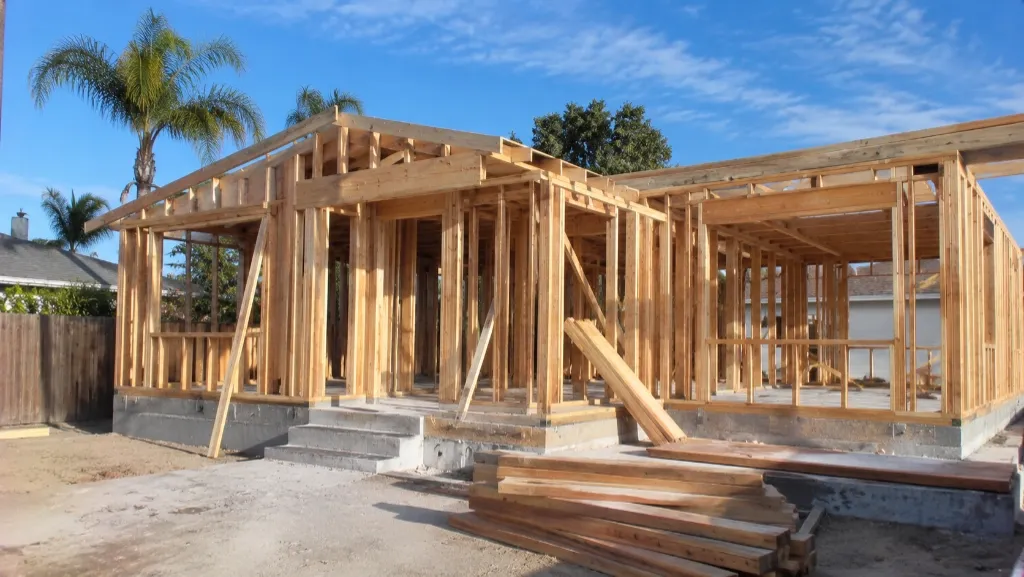
With replacement cost coverage, the insurer may pay actual cash value first and the rest after you repair or rebuild. Under Insurance Code section 2051.5, you have at least 12 months from that first payment to collect full replacement cost. After a declared state of emergency, the minimum is 36 months instead.
The insurer must also grant six-month extensions for good cause. That applies when you act in good faith but face delays you cannot control. Examples include permit delays, material shortages and a lack of contractors.
After a total loss, the policy cannot limit or deny replacement cost because you rebuild or buy somewhere else. Payment cannot exceed what rebuilding at the original site would cost. For a home, the insurer cannot deduct the value of the land at the new location. Since July 1, 2026, every policy form issued or renewed must comply with Insurance Code section 2051.5 in full.
How are contents and living expenses handled?
For most fires, your policy’s limits and terms decide how contents and living expenses work. One rule applies to any homeowners loss. On request, the insurer must list the living expenses it believes the policy may cover. After a declared state of emergency, Insurance Code sections 2060 and 2061 add minimum periods, advances and inventory rules.
In a state of emergency, living expense coverage must generally last at least 24 months, with extensions for delays beyond your control. After a total loss, you can also ask for an advance of at least four months of living expenses. On contents, the insurer cannot insist on its own inventory form if yours has substantially the same information. It must also accept groupings, such as clothing or books, where listing every item is impractical.
Contents rules after a total loss changed on January 1, 2026. Under Insurance Code section 10103.7, the insurer must offer at least 60 percent of the contents limit, up to $350,000. You do not need an itemized inventory for that payment. The rule covers a furnished primary home lost in a state of emergency. You can still claim more, up to the limit, with an inventory.
What if smoke damage is the dispute?
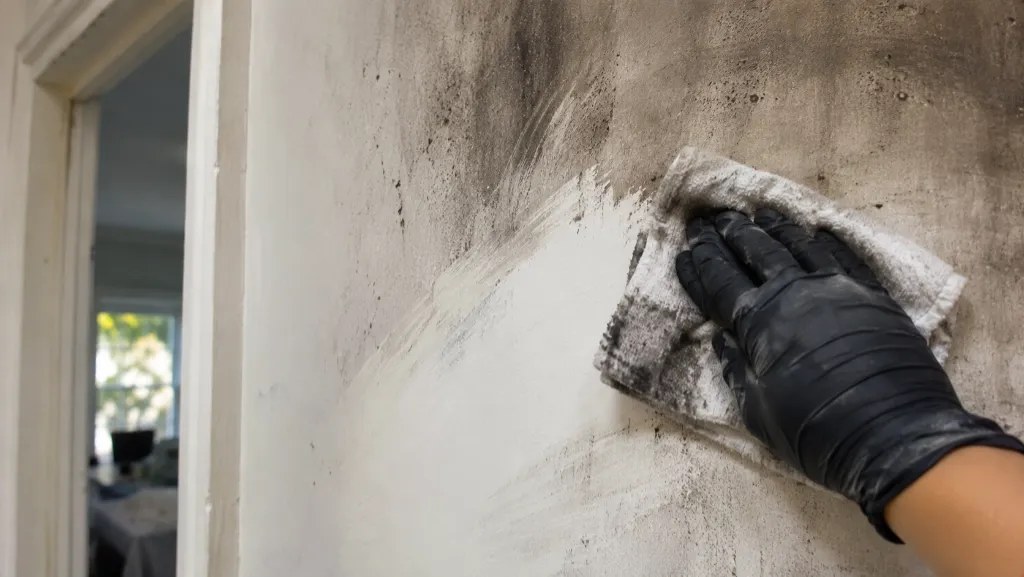
Smoke disputes usually turn on whether damage exists, how far it reaches, and what cleaning or replacement it needs. The duty to run a thorough, fair and objective investigation covers smoke as much as flames. So any denial of a smoke claim must explain the reasons and the policy language in writing.
After wildfires, the Department of Insurance told insurers that smoke damage claims must be fully and fairly investigated. It also said it is not reasonable to make you bear substantial costs to investigate your own claim. When a claim calls for professional testing, the Department expects the insurer to arrange and pay for it.
In September 2026, the Governor also signed a new law on wildfire smoke claims, the Smoke Damage Recovery Act. Ask the Department of Insurance when and how its rules apply to your claim. Meanwhile, photograph soot and residue, note where odors linger, and ask for any test results in writing.
When should you call a California fire damage lawyer?
Call a California fire damage lawyer when the insurer misses a deadline or cites no clear policy language for a denial. The same goes for a rebuild value far below your contractor’s estimate. Living expenses that stop while the home is still unlivable are another sign. Calling early also helps protect your deadline to sue.
A lawyer can request the claim file and compare estimates. Then the lawyer can press for appraisal, a complaint or a lawsuit, as the facts support. If the insurer’s conduct looks unreasonable, Viciti Law’s guide to a bad faith insurance claim explains what the law requires. You can also go over your policy with a Los Angeles homeowners insurance lawyer at the firm.
Frequently asked questions
Does the insurer have to give me a copy of my policy?
Yes. Under Insurance Code section 2084, after a covered loss the insurer must give you a complete copy of the policy. It must be the policy in effect at the time of the loss, with endorsements and the declarations page. The copy is free and due within 30 calendar days of your request. Even without a loss, you can get one free copy a year.
Can I get my own contractor’s estimate?
Yes. Your own contractor’s estimate gives you something concrete to compare with the insurer’s numbers. You can also ask for the insurer’s estimate. Under Insurance Code section 2071, it must send claim documents like that within 15 calendar days of a request. If only the amount is in dispute, appraisal may help.
What if the insurer says the cause is excluded?
Ask for the denial in writing if you do not have it. The letter must name the exclusion or condition it relies on and explain how it applies to your facts. Then compare that language with your full policy, including every endorsement. A lawyer can tell you whether the exclusion really fits and what to do next.
How long do I have to sue my insurer?
Under Insurance Code section 2071, a fire policy suit must start within 12 months after the inception of the loss. When the loss relates to a declared state of emergency, the limit is 24 months. That time is generally paused from the date you report the loss until the insurer denies it in writing. Check your policy’s suit clause too.
Talk to Viciti Law About Your Fire Damage Claim
If your insurer is slow, silent or short on a fire claim, a second look at the file can help. To talk it through, contact Viciti Law for a free consultation or call (310) 919-5011.
The office is at 13743 Ventura Blvd, Suite 240, in Sherman Oaks. The firm speaks Spanish and Russian, and it takes each and every case personally.
Book Free Consultation (button, links to /contact-us/)
Past results do not guarantee a similar outcome. This article provides general information about California law and is not legal advice. Reading it does not create an attorney-client relationship. Attorney Advertising.
