
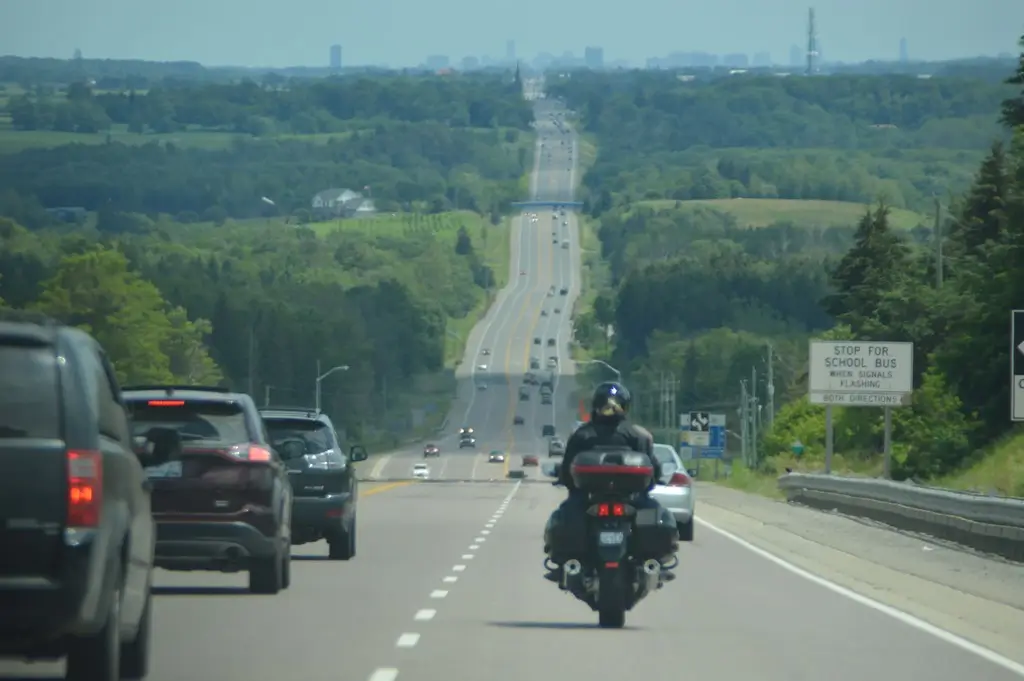
Yes, lane splitting is legal in California. Motorcyclists can ride between rows of stopped or moving vehicles, but they must still follow traffic laws and ride safely. After a crash, fault depends on each person’s actions, not simply on whether the rider was lane splitting. Here’s what California law says, what the CHP recommends and how these rules can affect an injury claim.
When did California formally define lane splitting?
Vehicle Code section 21658.1 took effect on January 1, 2017, formally defining lane splitting and authorizing the California Highway Patrol to develop educational safety guidelines for riders and drivers. The provision came from Assembly Bill 51, passed in 2016.
For riders and drivers around Sherman Oaks, understanding these rules matters in stop-and-go traffic on the 101, the 405 and Ventura Boulevard. Drivers should check mirrors and blind spots before changing lanes and watch for motorcycles moving between vehicles.
What does California’s lane splitting law say?
The lane splitting law is short. Vehicle Code section 21658.1 defines lane splitting as riding a motorcycle with two wheels on the ground between rows of stopped or moving vehicles in the same lane. That includes divided and undivided streets, roads and highways. It does not create a separate speed rule.
A few points follow from that wording:
- It covers two-wheeled motorcycles. A three-wheeled motorcycle falls outside the definition.
- Traffic can be stopped or moving. The definition does not limit splitting to traffic jams.
- Shoulder riding is different. The CHP states that riding on the shoulder is illegal and is not lane splitting.
- Other rules still apply. Unsafe speed, unsafe lane changes and reckless riding remain violations whether or not a rider is splitting.
The law also names the agencies the CHP must consult when it writes guidance. These include the DMV, Caltrans, the Office of Traffic Safety and a motorcycle safety organization.
What safety guidance does the CHP give riders?

The CHP’s California Motorcyclist Safety page warns that lane splitting can be dangerous and that inexperienced riders should not try it. Its tips focus on reading traffic, keeping speed differences small and staying visible. The page gives no speed numbers.
In summary, the CHP suggests that riders:
- Look at the whole picture, including lane width, the size of nearby vehicles, the road surface, weather and light.
- Recognize that risk increases as overall speed and the speed difference between the motorcycle and surrounding traffic rise.
- Split between the far-left lanes when possible, since that is typically safer than other lanes.
- Avoid splitting next to big rigs, buses and motorhomes.
- Stay out of blind spots and avoid lingering between vehicles.
- Wear bright or reflective gear and use high beams in daylight.
The CHP also asks drivers in the far-left lane to move to the left side of their lane to give riders room. These tips are guidance, not law. Still, both sides may point to them after a crash.
Who is at fault when a lane-splitting rider is hit?
No one is automatically at fault when a lane-splitting rider is hit. Because lane splitting is legal in California, the act of splitting does not make the rider responsible. Instead, fault depends on what each person did. A driver who changed lanes without looking may be at fault, while a rider moving far faster than traffic may share some fault.
Common driver errors in these crashes include:
- Changing lanes without signaling or checking mirrors and blind spots
- Drifting or swerving to block a rider
- Opening a door into traffic, which Vehicle Code section 22517 bars unless it is reasonably safe
- Looking at a phone in slow traffic
When both sides made mistakes, California’s pure comparative negligence rule applies. Under Li v. Yellow Cab Co. (1975), a rider’s damages are reduced by the rider’s share of fault, but they are not barred. These are the same fault rules used in car accident cases and other personal injury claims.
Does riding without a helmet affect a California injury claim?
Riding without a helmet can affect a claim, but it does not erase the driver’s responsibility. Vehicle Code section 27803 requires riders and passengers to wear a helmet that meets state safety standards. The other side may argue that a missing helmet made a head injury worse.
According to the CHP, California’s helmet law has been in effect since January 1, 1992. A helmet argument goes to the injuries, not to who caused the crash. So the driver who caused the collision is still responsible for their share of fault. Any reduction for a missing helmet generally depends on proof that a helmet would have lessened a specific injury.
What should a rider do after a lane-splitting crash?
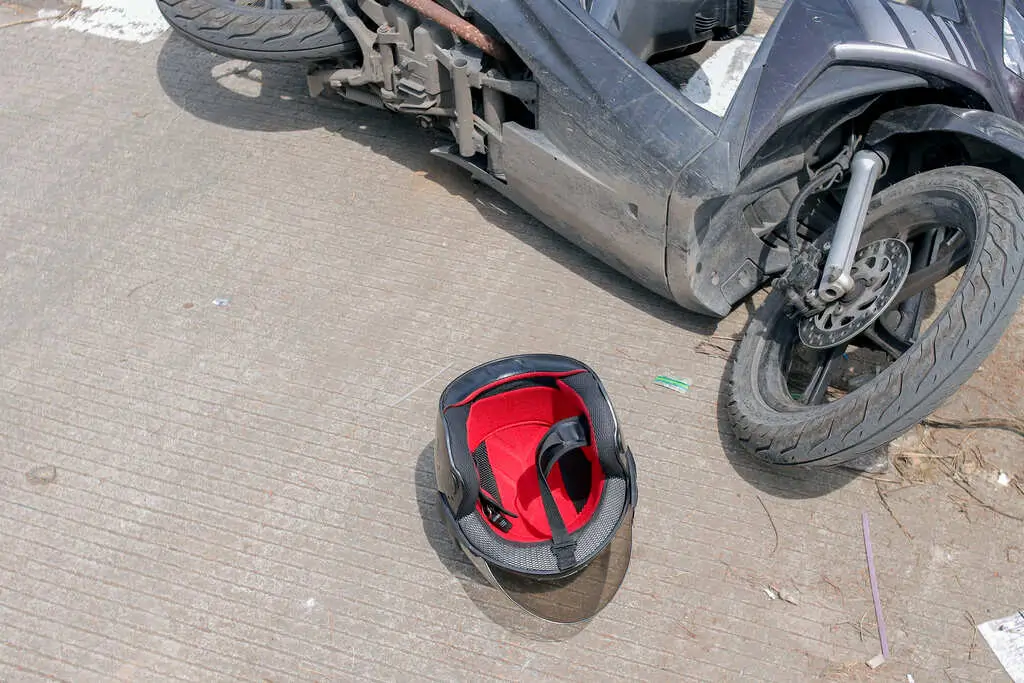
After a lane-splitting crash, get to safety, call 911 if anyone is hurt, and see a doctor even if you feel fine. Then protect the evidence: your gear, photos, witness names and the crash report. Finally, talk to a lawyer before you give the driver’s insurer a recorded statement.
A short checklist:
- Call 911 if anyone is hurt. On the 101 or 405, the CHP usually responds, while LAPD handles most crashes on Los Angeles city streets.
- Get checked by a doctor and mention every symptom, even minor ones.
- Keep your helmet, jacket and gloves as they are. Do not repair or throw them away.
- Take photos of the vehicles, lane positions, traffic and the road surface.
- Collect names and phone numbers of witnesses, and note any business cameras nearby.
- If anyone was injured or killed, or property damage exceeds $1,000, submit an SR-1 report to the DMV within 10 days. This is separate from any police or insurance report.
- Speak with a motorcycle accident attorney in Los Angeles before giving any recorded statement.
Frequently Asked Questions
Is lane filtering at a red light legal in California?
California law does not use the term “lane filtering.” However, the lane splitting definition covers riding between rows of stopped vehicles, which includes cars waiting at a light. So filtering generally falls under the same law. The rider must still stop for the signal and follow every other traffic rule, and the CHP’s safety tips still apply.
Can a driver block a lane-splitting rider?
No. The CHP states that intentionally blocking or impeding a motorcyclist in a way that could cause harm is illegal. Opening a vehicle door to impede a rider is also illegal. A driver who does either may be responsible for a crash that follows. If it happens to you, note the plate number and tell the officer who takes the report.
Do I need a California motorcycle accident attorney if the driver says I caused the crash?
Not always, but it often helps. Because lane splitting is legal in California, a driver’s claim that a rider “came out of nowhere” does not settle fault. A lawyer can gather video, the crash report and witness accounts, and handle calls with the insurer. A free consultation can help you decide whether you need more help.
How long do I have to file a lane-splitting injury lawsuit in California?
You generally have two years from the date of injury to file a personal injury lawsuit in California, under Code of Civil Procedure section 335.1. If a government vehicle was involved, such as a city bus, a written claim is generally due within six months under Government Code section 911.2. Since evidence fades fast, act well before either deadline.
Talk to Viciti Law About a Lane-Splitting Crash
If a driver hit you while you were lane splitting, or blamed you for a crash, Viciti Law offers a free consultation. The firm can review the crash report and explain your options.
Call (310) 919-5011, visit the office on Ventura Boulevard in Sherman Oaks, or contact Viciti Law online. The team speaks English, Spanish and Russian.
Past results do not guarantee a similar outcome. This article provides general information about California law and is not legal advice. Reading it does not create an attorney-client relationship. Attorney Advertising.
