
Disputes Get Resolved and When a Lawyer Helps
A California insurance dispute generally moves through one of four paths: appraisal, arbitration, a Department of Insurance complaint or a lawsuit. Which one fits depends on the type of dispute. A lawyer for an insurance dispute helps you name your type, then pick the right path and deadline.
This guide walks through each type and path. Still deciding whether to call anyone? Viciti Law’s article on when to hire a lawyer to fight an insurance company covers the warning signs.
What does a lawyer for an insurance dispute do?
A lawyer for an insurance dispute reads your policy against the insurer’s position and works out what kind of dispute you have. Then the lawyer uses the process that fits. That may be an appraisal demand, an arbitration demand, a Department of Insurance complaint, a written demand to the insurer or, when nothing else works, a lawsuit.
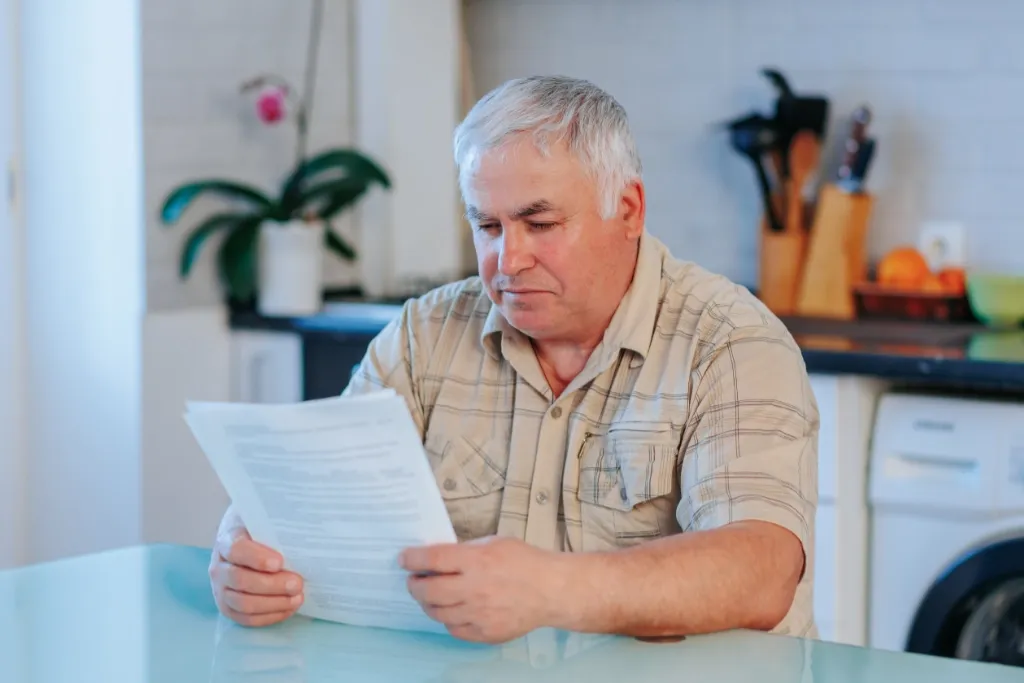
The paper trail comes first. Under the Fair Claims Settlement Practices Regulations, a denial from your own insurer must be in writing and list every basis for it. It must also cite any policy provision it relies on. So the letter shows what the insurer is really disputing, and that points to the path.
An insurance dispute attorney at Viciti Law can go over those letters and your policy with you.
What kind of insurance dispute do you have?
Most disputes fall into six types: coverage, amount, delay, denial, fault, and uninsured motorist claims with your own insurer. Each type has its own process and, often, its own deadline. So naming yours is the first real step toward resolving it.
- Coverage: the insurer says the policy does not apply to the loss.
- Amount: the insurer accepts the loss but values it lower than you do.
- Delay: no decision arrives, or the insurer keeps asking for the same papers.
- Denial: the insurer says no in writing, in whole or in part.
- Fault: another driver’s insurer says you caused the crash.
- Uninsured motorist: your own insurer disputes what you can recover after a crash with an uninsured driver.
Fault disputes work differently. You have no policy with the other driver’s insurer, so your claim is really against its driver. After a crash on the 101 or the 405, the CHP report, photos and witness accounts help show who caused it. If talks stall, you generally have two years to sue the driver for an injury under Code of Civil Procedure section 335.1.
How are disputes over the amount of a property loss resolved?
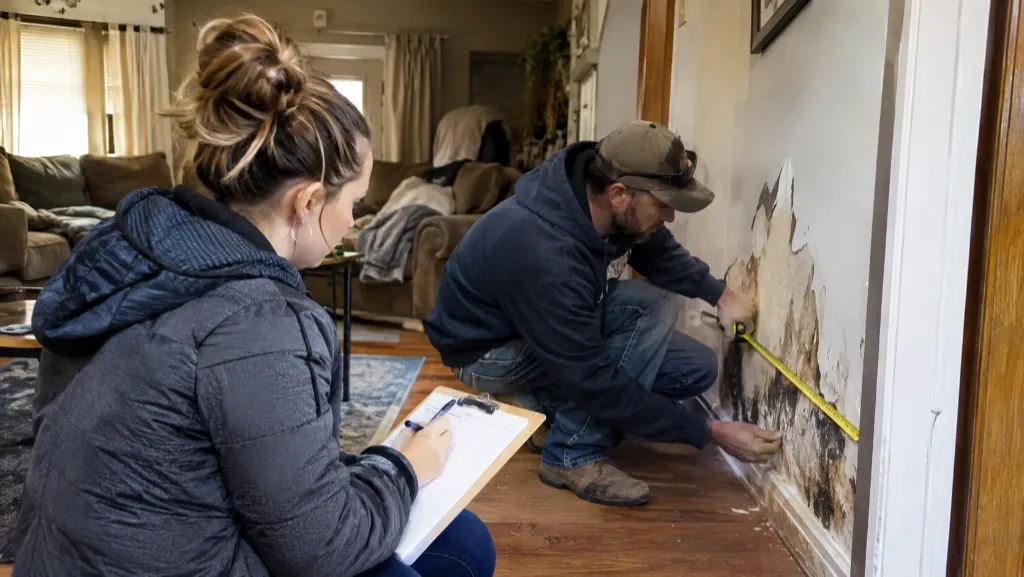
When you and the insurer agree the policy applies but disagree on value, appraisal may resolve it. California’s standard fire policy, in Insurance Code section 2071, sets out the process. Either side may ask for appraisal in writing when the two sides fail to agree on the actual cash value or the amount of loss.
Under the Insurance Code section 2071 clause, each side picks a disinterested appraiser within 20 days of the request. Next, the two appraisers choose an umpire. If they cannot agree within 15 days, a judge can choose one. An award signed by any two of the three sets the amount.
The process stays informal unless both sides agree otherwise, so there is no formal discovery and no court reporter. Each side pays its own appraiser and half the umpire’s cost. Still, appraisers only put numbers on the loss. Whether the policy covers it is a separate question.
How do uninsured motorist disputes with your own insurer work?
If you and your own insurer disagree over an uninsured motorist claim, the dispute goes to arbitration. Under Insurance Code section 11580.2(f), you and the insurer first try to agree on whether you can recover and how much. If you disagree, a single neutral arbitrator decides.
The arbitration uses the discovery rules of the Code of Civil Procedure. As a result, both sides can take depositions and send written questions. Under Insurance Code section 11580.2, one of three steps must happen within two years of the accident. You sue the uninsured driver, reach an agreement on the amount, or formally start arbitration by certified-mail notice to your insurer.
What can the California Department of Insurance do?

The Department of Insurance takes complaints about how an insurer handled a claim. You can file one online or on its Request for Assistance form, and the Department investigates it. After a declared state of emergency, it also offers free mediation for some residential fire and earthquake claims.
A written denial must tell you that you can ask the Department to review the claim. The letter must also give the reviewing unit’s address and phone number. The hotline is 1-800-927-4357. A copy of your complaint goes to the insurer. If your case is already in active litigation, the Department holds its investigation until the case ends.
The mediation program covers residential fire or earthquake claims in areas under a governor-declared state of emergency. You start with the complaint process. If the dispute is still unresolved, the Department may offer mediation, which you request in writing. The insurer pays the cost, and the mediator cannot impose a settlement. However, coverage questions, bad faith demands and claims already in a lawsuit fall outside the program.
When does an insurance dispute become a lawsuit?
A dispute becomes a lawsuit when the other paths fail or do not fit, such as a coverage denial you believe is wrong. Against your own insurer, the usual claims are breach of contract and bad faith. The first seeks benefits the policy owes. The second targets unreasonable conduct in handling the claim.
Under Insurance Code section 2071, a fire policy suit must start within 12 months after the inception of the loss. The limit is 24 months when the loss relates to a declared state of emergency. That time is generally paused from the date you report the loss until the written denial. Other policies set their own limits, so read the suit clause in yours.
A bad faith insurance lawyer can tell you whether the facts support a bad faith claim too.
Frequently asked questions
Can I dispute an insurance decision without a lawyer?
Yes. You can ask for the reasons in writing, send your own estimates, request appraisal, or file a Department of Insurance complaint. Many people start that way. Legal help becomes more useful when the dispute is about coverage, a deadline is close, or the insurer stops responding.
What is the difference between a coverage dispute and a value dispute?
Coverage disputes ask whether the policy applies at all, for example whether an exclusion bars a water loss. Value disputes accept coverage but fight over the amount. Appraisal addresses value. By contrast, an insurance coverage dispute lawyer starts with the policy language, because a court may have to decide what it means.
Do I have to agree to appraisal?
It depends on your policy. Under the appraisal clause in Insurance Code section 2071, a written request from either side starts the process. After a government-declared disaster, however, either side may request appraisal, but neither can compel it. Read your own policy’s appraisal clause before you answer a demand.
How long does an insurer have to respond?
Under the Fair Claims regulations, an insurer must answer your messages and acknowledge a claim within 15 calendar days. It must also begin any needed investigation. Then it has 40 calendar days after receiving proof of claim to accept or deny it. If it needs more time, it must explain why in writing every 30 days.
Talk to Viciti Law About Your Insurance Dispute
If your insurer has denied, delayed or undervalued a claim, Viciti Law’s insurance claims lawyers can help you find the right path. To talk it through, contact Viciti Law for a free consultation or call (310) 919-5011.
The office is at 13743 Ventura Blvd, Suite 240, in Sherman Oaks. The firm speaks Spanish and Russian, and it takes each and every case personally.
Book Free Consultation (button, links to /contact-us/)
Past results do not guarantee a similar outcome. This article provides general information about California law and is not legal advice. Reading it does not create an attorney-client relationship. Attorney Advertising.
